Philippines Freight and Logistics Market Competition Assessment Report 2026 - Market Share, Positioning, M&A, and Company Profiles
Philippines Freight and Logistics Market Competition
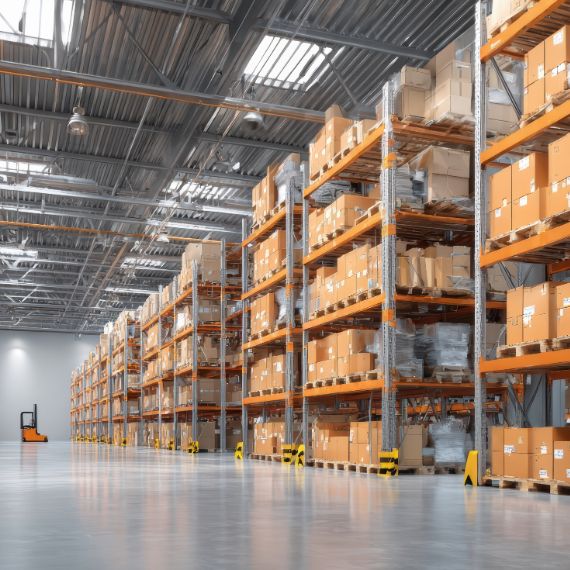
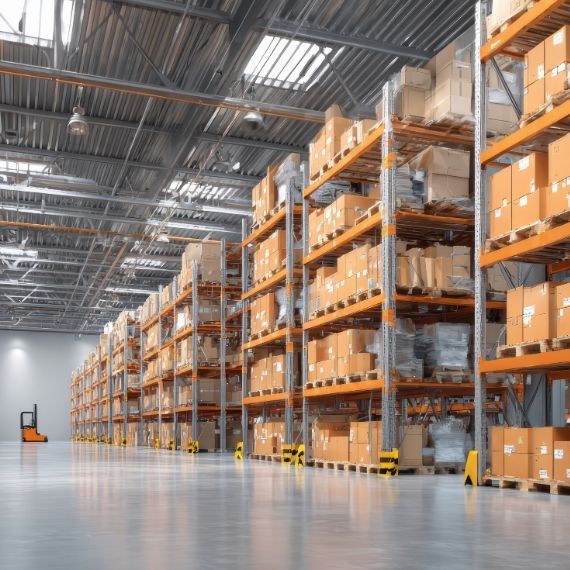
The Philippines freight and logistics market in 2026 is characterized by the presence of integrated domestic logistics providers, global third-party logistics (3PL) companies, express delivery leaders, port operators, and emerging digital freight platforms. Competitive activity is primarily concentrated along major economic and logistics corridors, including Metro Manila–CALABARZON, Central Luzon, Cebu, and Davao, supported by key maritime gateways such as Manila, Batangas, Subic, and Cebu ports, as well as air cargo hubs including Ninoy Aquino International Airport (NAIA) and Mactan–Cebu International Airport.
Key Developments in the Philippines Freight and Logistics Market
-
Bauan (Batangas) Terminal Greenfield Project: ICTSI announced USD 800 million investment to develop international container terminal in Bauan, Batangas, with annual capacity of 2 million TEUs and the 1st berth targeted by end-2027.
-
2 GO Partnership with EVAP: In 2025, 2GO partnered with the Electric Vehicle Association of the Philippines (EVAP) for EV-ready vessel enhancements and positioned 2GO as an early mover in EV-focused freight solutions.
-
DB Schenker Acquisition: In 2025, DSV A/S acquired DB Schenker and Schenker Philippines, Inc. was integrated into DSV’s Philippine operations under the DSV brand.
-
Expansion of Gateway Facility: In July 2024, FedEx signed an agreement with LIPAD, the operator of Clark International Airport, to expand and upgrade its gateway facility in Clark, Pampanga.
Scope of the Study for Philippines Freight and Logistics Market Competition
Makreo Research has published the report titled "Philippines Freight and Logistics Market Competition Assessment Report 2026 - Market Share, Positioning, M&A, and Company Profiles," delivering a comprehensive evaluation of leading companies operating across the Philippines’ freight, logistics, courier–express–parcel (CEP), and port services ecosystem.
Philippines Freight and Logistics Market Competitive Benchmarking
The competitive benchmarking analysis evaluates major market participants across key operational and strategic dimensions, including:
-
Mode of Coverage: Presence across road, sea, air, inter-island freight, and integrated logistics services.
-
Cargo Volumes Handled: Scale of domestic and international freight movement across major trade corridors.
-
Fleet Size and Assets: Composition and scale of trucking, maritime, and air cargo assets, including owned and leased fleets.
-
Network Reach: Coverage across key domestic corridors and international routes connecting the Philippines with ASEAN, East Asia, and the United States.
-
CEP and Last-Mile Capability: Strength of express, parcel, and last-mile delivery networks supporting e-commerce demand.
-
Certifications and Compliance: Adherence to industry standards, safety certifications, and regulatory requirements.
-
Digitalization Maturity: Adoption of digital freight platforms, shipment tracking, TMS (Transportation Management System)/WMS (Warehouse Management System) solutions, and process automation.
-
Operational Strengths: Service reliability, turnaround times, multimodal integration, and customer service performance.
Strategic Developments in the Philippines Freight and Logistics Market
The report delivers a structured assessment of key strategic developments shaping the Philippines freight and logistics market, including:
-
Mergers and Acquisitions: Analysis of consolidation activity among domestic logistics operators, global 3PLs, express delivery companies, and port-related assets.
-
Investments and Capital Inflows: Review of capacity expansion initiatives, fleet additions, port and terminal upgrades, warehousing development, and investments in digital logistics infrastructure.
-
Divestments: Evaluation of asset rationalization, portfolio restructuring, and the exit of non-core logistics operations.
-
Funding Announcements: Coverage of equity investments, debt financing, and capital raises supporting network expansion, technology adoption, and service integration.
-
Strategic Partnerships and Alliances: Examination of collaborations between logistics providers, e-commerce platforms, airlines, shipping lines, and technology firms aimed at enhancing service coverage and operational efficiency.
Philippines Freight and Logistics Market Company Profiles
Comprehensive company profiles in the report cover key operational and strategic dimensions, including:
-
Business Model: Overview of core logistics activities, service integration, and competitive positioning across freight, express, and contract logistics segments.
-
Service Portfolio: Scope of services offered, including road, sea, and air freight, inter-island logistics, freight forwarding, CEP, and value-added logistics solutions.
-
Operational Scale: Size of operations, cargo volumes handled, fleet strength, and service reach across major logistics segments.
-
Infrastructure Assets: Ports and terminal access, warehouses, distribution hubs, fleet assets, sorting facilities, and supporting digital platforms.
-
Financial Highlights: Revenue trends, growth performance, and key financial indicators.
-
Geographic Presence: Operational footprint across major economic regions, ports, airports, and key domestic and international trade corridors.
Philippines Freight and Logistics Market Value Proposition
The study delivers actionable value to a wide range of stakeholders by offering:
-
Investor Insight: Clear visibility into market structure, competitive positioning, and emerging investment opportunities across the Philippines freight and logistics ecosystem.
-
Operator Benchmarking: Practical benchmarks for logistics providers to evaluate operational scale, service coverage, digital maturity, and competitive standing.
-
Policy Guidance: Analytical support for policymakers and regulators to identify infrastructure gaps, capacity constraints, and priorities for sector development.
-
Market Understanding: A comprehensive view of the competitive landscape, service segmentation, and growth pathways across the Philippines freight and logistics market.
-
Competition
-
Mergers, Acquisitions, and Investments
-
Funding Timeline
-
Company Profiles
-
2GO Group, Inc.
-
Maersk Filipinas Inc.
-
DSV Logistics Solutions Philippines, Inc.
-
Schenker Philippines, Inc.
The study covers a total of 12 Philippines Freight and Logistics Market Company Profiles. To know more, please reach out to [email protected]
Companies Covered
Leading players such as 2GO Group, Maersk Filipinas, DSV Logistics, and DB Schenker continue to strengthen their market positions through network expansion, service integration, and investments in digital capabilities. Domestic operators, including LBC Express and Royal Cargo, benefit from established inter-island connectivity and last-mile delivery networks, while global logistics providers focus on international freight forwarding, air cargo services, and contract logistics solutions.
Competition is intensifying in air cargo, CEP, and digital freight, driven by e-commerce growth and time-sensitive shipments. In parallel, port and terminal operators play a significant role in shaping market dynamics through capacity expansion and operational efficiency improvements. Overall, logistics providers with multimodal service coverage, certified operations, advanced digital integration, and nationwide network reach continue to hold a distinct competitive advantage in the Philippines freight and logistics market.
Looking for a Section from Report? Start your Partial Purchase Request
Table of Contents
- 1.Philippines Freight and Logistics Market Competitive Landscape
- 1.1.Philippines Freight Market Key Players by Mode of Coverage
- 1.2.Philippines Freight Market Key Players Performance Scorecard
- 1.3.Philippines Freight Market Top Digital Freight Platforms
- 1.4.Philippines Freight Market Key Startup Players
- 1.5.Philippines Major Freight & Logistics Market Players Volume Handled
- 1.6.Philippines Major Freight & Logistics Market Players Fleet Size and Certifications
- 1.7.Philippines International Air Cargo Market Share & Volume by Airfreight Forwarders
- 1.8.Philippines Domestic Air Cargo Market Share & Volume by Airfreight Forwarders
- 2.Philippines Logistics and Freight Market Mergers /Acquisitions/ Investments/ Divestments
- 2.1.Mergers /Acquisitions/ Investments/ Divestments
- 3.Philippines Freight and Logistics Market Funding Timeline
- 3.1.Funding Timeline
- 4.Philippines Freight and Logistics Market Company Profiles
- Player 1
- Business Overview
- Business Highlights
- Business Financials
- Player 2
- Business Overview
- Business Highlights
- Business Financials
- Player 3
- Business Overview
- Business Highlights
- Business Financials
- Player 4
- Business Overview
- Business Highlights
- Business Financials
- Player 5
- Business Overview
- Business Highlights
- Business Financials
- Player 6
- Business Overview
- Business Highlights
- Business Financials
- Player 7
- Business Overview
- Business Highlights
- Business Financials
- Player 8
- Business Overview
- Business Highlights
- Business Financials
- Player 9
- Business Overview
- Business Highlights
- Business Financials
- Player 10
- Business Overview
- Business Highlights
- Business Financials
- Player 11
- Business Overview
- Business Highlights
- Business Financials
- Player 12
- Business Overview
- Business Highlights
- Business Financials
- Limitations of the Study
Related Reports - Automotive & Transportation