Indonesia Dark Kitchen and Fulfillment Center Market Size and Forecast (2021–2030) – Analysis by Service Type (Dark Kitchen Operators, Fulfillment & Last-Mile Delivery, Shared vs. Dedicated Kitchens), End-User Industry, Customer Type and Geography Report
Indonesia Dark kitchens and Fulfillment Centers Market Growth
Dark kitchens and fulfillment centers have become a pivotal component of Indonesia’s food delivery market, transforming the preparation, packaging, and last-mile delivery of meals at scale. Accelerated by the pandemic, operators such as GrabKitchen, GoFood Shared Kitchens, Yummy Corp, and Hangry rapidly expanded across major cities to meet surging demand for low-contact, delivery-only services. Supported by substantial investments and platform integration, the Indonesia dark kitchen market and fulfillment hub network experienced significant growth between 2021 and 2023, extending from Jakarta into key tier 2 cities. Nevertheless, with the resurgence of dine-in traffic and escalating operational costs, the sector is now transitioning toward consolidation, operational efficiency, and strategic expansion, marking a shift from growth-at-all-costs to sustainable scalability. This surge in delivery-only services contributed to the segment achieving a CAGR of 4.36% between 2021 and 2024.
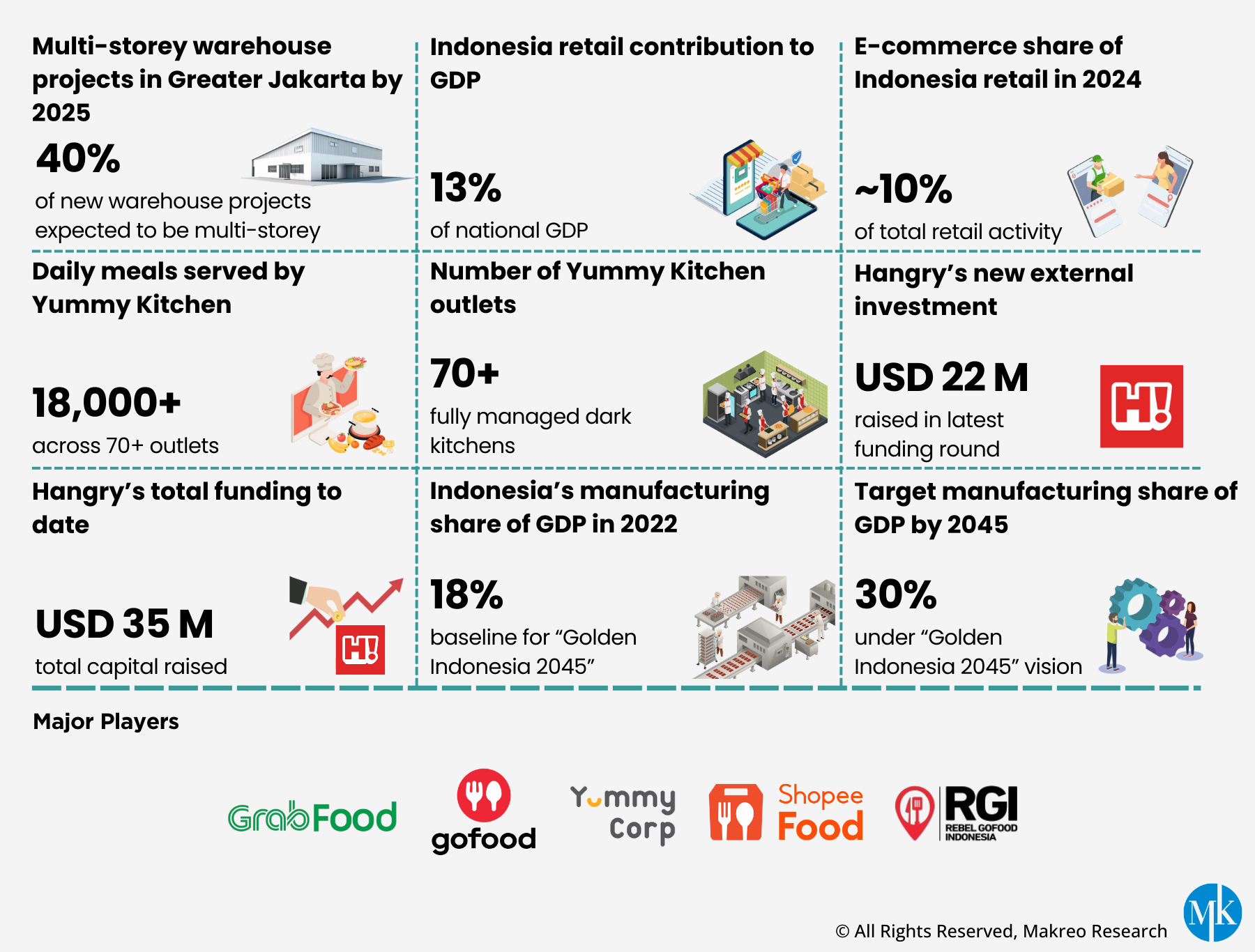
Indonesia Dark Kitchen and Fulfillment Center Industry Insights
Indonesia Dark Kitchen Market, 2021 – 2024 (CAGR: 4:36%)
Indonesia’s Fulfillment Hubs - Expanding Infrastructure to Support E-commerce Growth
-
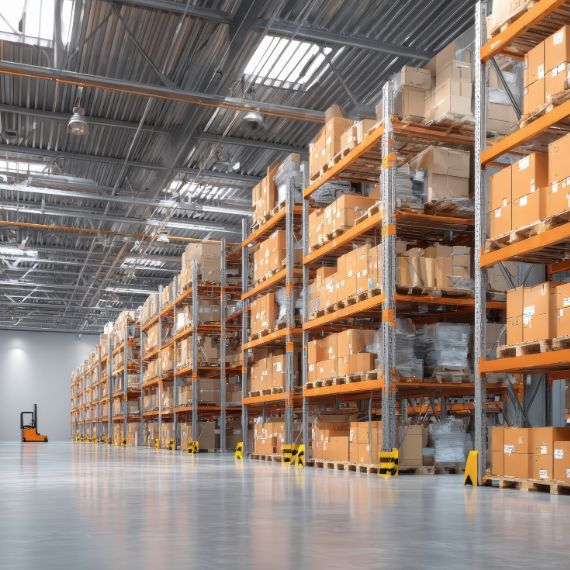
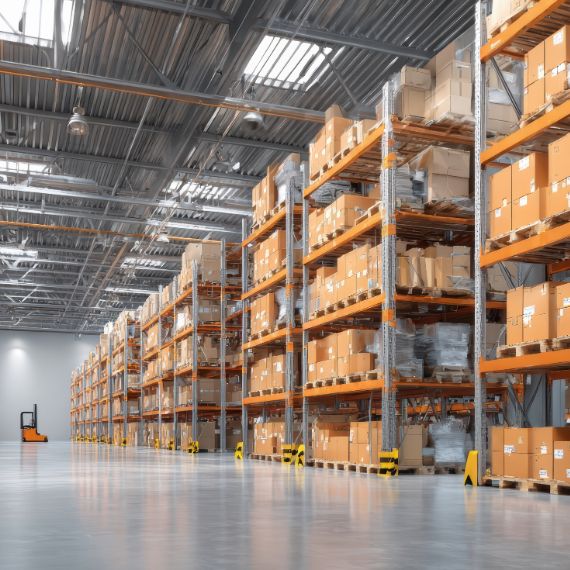
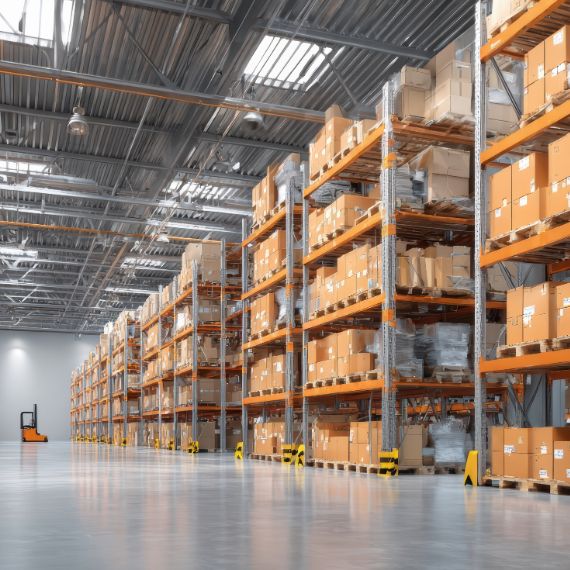
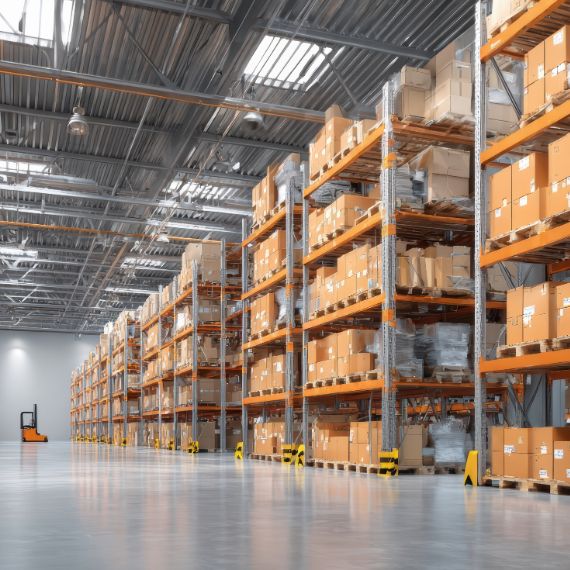
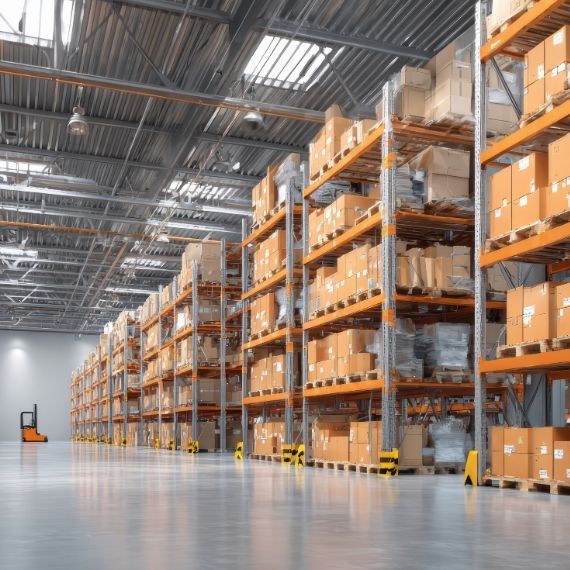
Indonesia fulfillment hubs play a pivotal role in the rapid growth of the nation’s logistics and e-commerce sectors. These hubs deliver a comprehensive range of services, including warehousing, order processing, last-mile delivery Indonesia, and various value-added logistics solutions.
-
Modern Warehouse Capacity: In 2023, the total stock of modern logistics warehouses in Greater Jakarta stood at approximately 2.3 million m², with projections indicating it will surpass 3 million m² by 2025
-
Multi-City Fulfillment Hub Providers: Leading operators, such as Power Commerce Asia, manage multiple fulfillment hubs Indonesia across major cities, including Jakarta, Bandung, Surabaya, Yogyakarta, Medan, and Bali, collectively offering warehouse space exceeding 10,000 m²
Scope of the Study for Indonesia Dark Kitchen and Fulfillment Center Market
Makreo Research has published a comprehensive report titled "Indonesia Dark Kitchen and Fulfillment Center Market Size and Forecast (2021–2030) – Analysis by Service Type (Dark Kitchen Operators, Fulfillment & Last-Mile Delivery, Shared vs. Dedicated Kitchens), End-User Industry, Customer Type and Geography Report", offering an in-depth evaluation of the evolving food delivery infrastructure and fulfillment ecosystem across Indonesia.
The report examines the historical and present market performance while outlining major structural growth drivers, demand–supply dynamics, and future potential across key cities such as Greater Jakarta, Surabaya, and Bandung. It also delves into:
-
Expansion of dark kitchen facilities in Indonesia, encompassing both independent operators and platform-integrated models
-
The evolving Indonesia fulfillment centers market and last-mile delivery infrastructure supporting the F&B logistics Indonesia, e-commerce logistics Indonesia, and quick commerce Indonesia sectors.
-
Pricing benchmarks, operational efficiencies, and regional logistics strategies shaping the competitive environment
The study includes a competitive landscape analysis, featuring detailed company profiles of leading dark kitchen operators, fulfillment service providers, and technology enablers. The company profiles feature in-depth insights into:
-
Capacity and infrastructure footprint
-
Operational models and service portfolios
-
Strategic partnerships and brand affiliations
-
Recent business highlights, expansion strategies, and financial indicators
The report concludes with future outlook insights, identifying key challenges, emerging opportunities, and strategic growth pathways for stakeholders, investors, and operators looking to strengthen their market presence by 2030.
-
2021 – 2024: Past and Present Scenario
-
2024: Base Year of Study
-
2025 – 2030: Future Outlook
Indonesia Dark Kitchen and Fulfillment Centers Market Segmentation
-
Dark Kitchen Operators
-
Fulfillment and Last-Mile Delivery Services
-
Shared Kitchen Infrastructure
-
Dedicated Kitchen Infrastructure
-
Food & Beverage (F&B)
-
E-commerce Grocery Delivery
-
Packaged Food Companies
-
Quick Commerce
-
B2B
-
B2C
Geography Assessed
-
Greater Jakarta
-
West Java
-
East Java
-
Central Java
-
Bali
-
Other Emerging Urban Clusters
-
Competition
-
Mergers, Acquisitions, and Investments
-
Funding Timeline
-
Company Profiles
Indonesia Revenue Growth through Bundling, Loyalty, and Personalization
-
Platform Strategies & Bundling: In the Indonesia food delivery market, aggregator platforms such as GoFood PAS offer budget-friendly meals (approximately IDR 20,000 to 30,000 inclusive). This strategy encourages customers to add additional items or opt for higher-margin combinations, effectively increasing overall basket values.
-
Loyalty & Personalization Effects: Within Indonesia's online food delivery sector, GoFood implemented targeted loyalty programs and advanced data-driven personalization during 2022–2023. These initiatives successfully boosted transaction values, enabling the platform to outperform average growth rates recorded across the broader Southeast Asia.
Emerging and Established Logistics Hubs Driving Indonesia’s Freight Network
-
Jakarta: Managing over 50% of Indonesia’s container traffic via Port Tanjung Priok, Jakarta serves as the primary logistics and e-commerce fulfillment hub in the country. Ongoing infrastructure enhancements, including expanded toll roads and MRT systems, aim to alleviate congestion and streamline freight movement, supporting Indonesia’s growing e-commerce and last-mile delivery market.
-
Medan (North Sumatra): The Port of Kuala Tanjung, situated near Medan, is poised to handle up to 60 million TEUs annually, making it potentially larger than Jakarta’s primary port, positioning Medan as a key sea-linked logistics hub.
Indonesia Food & Beverage Sector Growth, Scale, and Workforce Dynamics
-
According to the 2024 Food and Beverage Service Activities Survey by BPS, Indonesia had 4.85 million active F&B businesses in 2023.
-
This marks a 21.13% increase compared to 2016, when 4.01 million F&B businesses were recorded in the Economic Census.
-
Indonesia's food and beverage sector includes approximately 8,593 large and medium-sized manufacturers and around 1.8 million micro and small enterprises as of Dec 2024.
-
The industry employs roughly 5.1 million workers, representing 32% of the total workforce in Indonesia's manufacturing sector.
Grab Holdings Limited Segment Revenue (%), Q1 2025
Indonesia Food Delivery Revenue Growth Driven by Tech and Investments
In 2023, Indonesia’s last-mile food delivery market revenue rose to more than USD 1.3 billion, driven by a 13% increase in GMV, supported by stronger consumer demand and tech-enabled engagement, along with USD 70 million from Jaya Grocer and additional investment from advertising revenue.
Indonesia Dark Kitchen and Fulfillment Hubs Market Forecast, 2025 – 2030
Under the “Golden Indonesia 2045” vision, the government plans to elevate manufacturing’s contribution to GDP from 18% in 2022 to approximately 30% by 2045, a shift anticipated to substantially increase demand across Indonesia logistics and warehousing nationwide. This strategic drive covers resource-based industries, mid- to high-tech manufacturing such as automotive and shipbuilding, as well as innovation-led sectors including biotechnology and sustainable consumer goods. The consequent growth in industrial and commercial activity is expected to generate significant opportunities for fulfillment hubs in Indonesia, dark kitchen operators Indonesia, and last-mile delivery Indonesia, supported by rising urban consumption and expanding e-commerce logistics Indonesia penetration.
Companies Covered in the Indonesia Dark Kitchen and Fulfillment Center Market
-
Grab Holdings Inc.
-
Gojek (GoTo Group)
-
ShopeeFood (Sea Ltd)
-
Yummy Corp
-
Rebel Foods
There are 12 players covered in this report. To know more, please reach out to [email protected]
Looking for a Section from Report? Start your Partial Purchase Request
Table of Contents
- 1.Research Methodology
- 1.1.Objective of the Study
- 1.2.Market Definitions and Key Terminologies
- 1.3.Research Design and Procedure
- 1.4.Data Collection Methods
- 1.5.Analytical Framework
- 2.Indonesia Dark Kitchen and Fulfillment Hubs Market Past and Present Performance
- 2.1.Indonesia Dark Kitchen and Fulfillment Hubs Market
- 2.2.Structural Growth Drivers Behind Indonesia Dark Kitchen Ecosystem
- 2.3.Indonesia Fulfillment Infrastructure - Market Growth and Capacity Trends
- 2.4.Indonesia Fulfillment Hubs Market Share by Type of Service (B2C vs B2B)
- 2.5.Indonesia Online Food Delivery Market Split - Small Restaurants vs Big Franchises
- 2.5.1.Comparison of Leading Food Delivery Platforms
- 2.6.Sustainability Trends in Indonesia Dark Kitchen and Fulfillment Market
- 3.Indonesia Infrastructure and Real Estate Trends
- 3.1.Indonesia Urban Micro-Facilities and Real Estate Availability
- 3.2.Zoning, Regulation, and Infrastructure of Dark Kitchens in Indonesia
- 3.3.Indonesia Distribution of Shared-Use Commercial Kitchens
- 3.4.Indonesia Trends in Industrial Land Supply, Fulfillment Demand, and Zoning Challenges
- 3.5.Indonesia Strategic Urban & Regional Logistics Centers
- 3.6.Indonesia Industrial Land and Property Costs
- 3.7.Indonesia Warehousing Market Implications for Dark Kitchens & Fulfillment Hubs
- 3.8.Indonesia Warehouses and Rental Tariff by Region and Type
- 4.Indonesia Key Industry Analysis
- 4.1.Indonesia Retail Industry Analysis
- 4.1.1.Indonesia Leading Brick and Mortar Retail Chains in Indonesia
- 4.2.Indonesia E-commerce Industry Analysis
- 4.3.Indonesia Food & Beverage (F&B) Industry Analysis
- 4.1.Indonesia Retail Industry Analysis
- 5.Indonesia Consumer Behavior Analysis
- 5.1.Indonesia Population, Urbanization Trends, and Food-Related Spending
- 5.2.Digital Economy Trends and Consumer Behavior in Indonesia
- 5.3.Indonesia Spending Trends
- 5.4.Indonesia Household Budgeting
- 5.5.Indonesia FMCG Purchasing Behavior
- 6.Indonesia Dark Kitchens and Fulfillment Hubs Competitive Landscape
- 6.1.Top Dark Kitchen Operators in Indonesia
- 6.2.Market Share of Leading Players – Online Food Delivery & Dark Kitchen
- 6.3.Comparative Analysis of Key Players
- 6.4.Comparative Analysis of Leading Dark Kitchen Players in Indonesia by AOV & Utilization Rate
- 6.5.Comparative Analysis of Key Fulfillment & Delivery Players in Indonesia
- 7.Mergers/Acquisitions/Investments/ Divestments
- 7.1.Mergers /Acquisitions/ Investments/ Disinvestments
- 8.Funding Timeline
- 8.1.Funding Timeline
- 9.Indonesia Dark Kitchen Players
- 9.1.Grab Holdings Inc. – Business Overview
- 9.1.1.PT Grab Holdings Indonesia (GrabFood) – Business Overview
- 9.1.2.PT Grab Holdings Indonesia (GrabFood) – Company Timeline
- 9.1.3.PT Grab Holdings Indonesia (GrabFood) – Business Highlights
- 9.1.4.PT Grab Holdings Indonesia (GrabFood) – Business Financials
- 9.1.5.PT Grab Holdings Indonesia (GrabFood) – Future Outlook
- 9.2.Yummy Corporation - Business Overview
- 9.2.1.Yummy Corporation - Enterprise-Grade Foodservice Installations
- 9.2.2.Yummy Corporation - Business Highlights
- 9.3.PT Rebel GoFood Indonesia – Business Overview
- 9.3.1.PT Rebel GoFood Indonesia – Company Timeline
- 9.3.2.PT Rebel GoFood Indonesia – Business Highlights
- 9.4.PT. Modular Kuliner Indonesia – Business Overview
- 9.4.1.PT. Modular Kuliner Indonesia – Company Timeline
- 9.4.2.PT. Modular Kuliner Indonesia – Business Highlights
- 9.5.PT. Sendok Garpu Internasional – Business Overview
- 9.5.1.PT. Sendok Garpu Internasional – Company Timeline
- 9.5.2.PT. Sendok Garpu Internasional – Business Highlights
- 9.6.PT Pemuda Cari Cuan – Business Overview
- 9.6.1.PT Pemuda Cari Cuan – Company Timeline
- 9.6.2.PT Pemuda Cari Cuan – Business Highlights
- 9.1.Grab Holdings Inc. – Business Overview
- 10.Indonesia Fulfillment, Warehousing & Logistics Enablers
- 10.1.Sea Limited – Business Overview
- 10.1.1.PT Shopee International Indonesia – Business Overview
- 10.1.2.PT. Shopee International Indonesia – Company Timeline
- 10.1.3.PT. Shopee International Indonesia – Business Highlights
- 10.1.4.PT. Shopee International Indonesia – Business Financials
- 10.2.PT GoTo Gojek Tokopedia Tbk – Business Overview
- 10.2.1.PT Gojek Indonesia – Business Overview
- 10.2.2.PT Gojek Indonesia – Company Timeline
- 10.2.3.PT Gojek Indonesia – Business Highlights
- 10.2.4.PT Gojek Indonesia – Business Financials
- 10.2.5.PT Gojek Indonesia – Future Outlook
- 10.3.PT Sicepat Ekspres - Business Overview
- 10.3.1.PT Sicepat Ekspres- Company Timeline
- 10.3.2.PT Sicepat Ekspres - Business Highlights
- 10.3.3.PT Sicepat Ekspres - Business Financials
- 10.4.Shipper Inc. - Business Overview
- 10.4.1.Shipper Inc. - Company Timeline
- 10.4.2.Shipper Inc. - Business Highlights
- 10.4.3.Shipper Inc. - Business Highlights and Financials
- 10.1.Sea Limited – Business Overview
- 11.Indonesia Technology & Infrastructure Enablers
- 11.1.PT Majoo Teknologi Indonesia – Business Overview
- 11.1.1.PT Majoo Teknologi Indonesia – Company Timeline
- 11.1.2.PT Majoo Teknologi Indonesia – Business Highlights
- 11.2.PT Aksi Visitama – Business Overview
- 11.2.1.PT Aksi Visitama – Company Timeline
- 11.2.2.PT Aksi Visitama – Business Highlights
- 11.2.3.PT Aksi Visitama – Business Financials
- 11.1.PT Majoo Teknologi Indonesia – Business Overview
- 12.Case Studies
- 12.1.Case Studies and Success Stories
- 13.Indonesia Dark Kitchens and Fulfillment Hubs Market Challenges
- 14.Indonesia Dark Kitchens and Fulfillment Hubs Market Opportunities
- 15.Indonesia Dark Kitchens and Fulfillment Hubs Market Future Outlook
- 15.1.Indonesia Dark Kitchen and Fulfillment Hubs Market Future Outlook
- 15.2.Indonesia Pharmaceutical Industry Future Outlook
- 15.3.Indonesia Manufacturing Industry Future Outlook
- 15.4.Strategic Regional Hubs for Dark Kitchen & Fulfillment Expansion in Indonesia
- Limitations of the Study
Related Reports - Automotive & Transportation