
Vietnam Cold Chain Logistics Market: Achieving 8.78% CAGR Amid Rising Demand for Perishables and E-Commerce Growth
Explore the Vietnam Cold Chain Market, achieving 8.78% CAGR (2019-2023). Rising demand for perishables & e-commerce drives growth in cold storage & logistics.
The Vietnam Cold Chain Logistics Market is undergoing a period of rapid transformation, with a compound annual growth rate (CAGR) of 8.78% from 2019 to 2023. According to Makreo Research, this expansion is being driven by surging demand across critical sectors such as food and beverage, pharmaceuticals, and e-commerce. As Vietnam embraces modernization, the need for efficient temperature-controlled logistics solutions is more pressing than ever. The growing middle class, expanding urbanization, and increasing consumer preference for high-quality, traceable food are propelling the demand for cold storage and logistics services. In this blog, we will delve into the factors driving growth in the Vietnam Cold Chain Market, key trends shaping its future, and how businesses can capitalize on these developments to thrive in this dynamic sector.
What’s Driving Growth in Vietnam’s Cold Chain Logistics Market?
-
Rising Demand for Perishable Goods: With a growing middle class and increasing disposable income, consumers in Vietnam are shifting toward higher-quality, temperature-sensitive products. This includes fresh food, beverages, dairy, and pharmaceuticals. The rise in consumer demand for perishable goods is one of the primary factors driving the Vietnam Cold Chain Market. As this demand grows, the need for an efficient cold chain network becomes more critical to maintain product quality and safety throughout the supply chain.
-
Expansion of E-Commerce and Online Food Delivery: The boom in e-commerce and online food delivery services has further boosted the demand for cold chain logistics in Vietnam. As consumers expect rapid delivery of temperature-sensitive items, there is a growing need for cold storage facilities and refrigerated transportation solutions. This trend is particularly evident in the food sector, where online food delivery platforms are becoming increasingly popular. As more businesses invest in cold chain logistics, the market is set for continued growth.
-
Pharmaceutical Growth and Temperature-Controlled Transportation: Vietnam's expanding pharmaceutical industry has significantly influenced the cold chain logistics sector. Medicines, vaccines, and biotech products require stringent temperature control during storage and transit. As Vietnam solidifies its position as a pharmaceutical manufacturing hub in Southeast Asia, the demand for specialized cold storage and logistics solutions will continue to rise. This trend is fueling the growth of the Vietnam Cold Chain Market, where companies are investing in advanced technology to handle delicate products safely.
-
Government Infrastructure Investment: The Vietnamese government is heavily investing in infrastructure development, with a particular focus on the transportation sector. Major projects such as the Van Don Mong Cai Expressway and Long Thanh International Airport’s expansion are expected to improve the cold chain logistics network. These improvements are vital for maintaining the integrity of temperature-controlled goods as they move across the country and internationally, ensuring efficiency in the Vietnam Cold Chain Logistics Market.
The Vietnam Cold Storage Warehousing Market: Key Trends and Insights
The Vietnam Cold Storage Warehousing Market plays a pivotal role in the overall cold chain logistics sector. Several key trends are shaping this market:
-
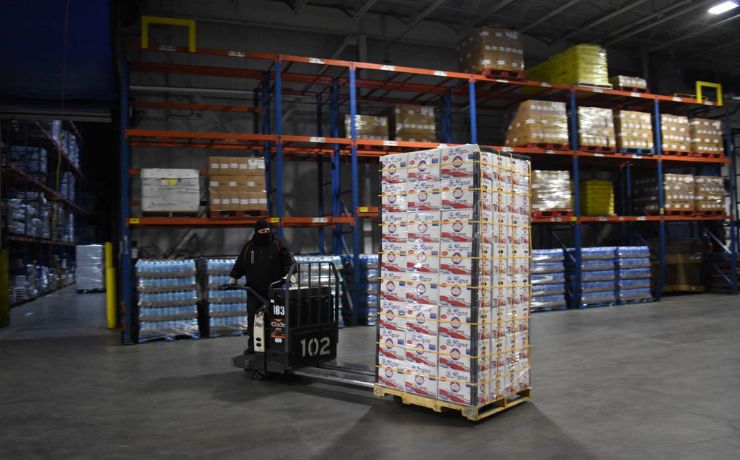
Expanding Cold Storage Infrastructure: To meet the rising demand for perishable goods, both local and international companies are expanding cold storage facilities across Vietnam. New warehouses are being developed in major cities like Ho Chi Minh City and Hanoi, as well as in emerging regions to cater to rural markets. This expansion will enhance the efficiency of the Vietnam Cold Chain Market. With the urban population projected to reach 47.24 million by 2030, the demand for advanced logistics and cold storage infrastructure is increasing. The country plans to implement 13 new cold storage projects from 2024 to 2028, raising storage capacity to 1.8 million pallets by 2030.
-
Technological Advancements in Cold Storage: As the demand for cold storage grows, technology is playing a crucial role in the industry. The integration of automated systems, temperature monitoring tools, and energy-efficient solutions is becoming a competitive advantage for cold storage providers. Real-time monitoring and cutting-edge technology are essential for ensuring product integrity and minimizing waste, which is driving the growth of technologically advanced cold storage solutions in the Vietnam Cold Chain Market.
-
Sustainability and Green Logistics: Sustainability is becoming a focal point in the Vietnam Cold Storage Warehousing Market. With rising energy costs, providers are adopting eco-friendly technologies such as solar-powered systems and energy-efficient refrigeration. These green solutions help reduce carbon footprints while enhancing profitability, aligning with global trends toward sustainable business practices in cold chain logistics.
-
Foreign Investment and Market Expansion: Foreign companies are increasingly recognizing the potential in Vietnam’s cold chain logistics sector. Japanese players like Sojitz Corporation and KOKUBU Co., Ltd. are already making significant inroads into the market. This foreign investment is expected to further elevate Vietnam's cold storage standards and improve the overall quality of logistics services in the Vietnam Cold Chain Market.
Key Challenges in Vietnam’s Cold Chain Market
-
High Investment Costs: The capital required to build and maintain cold storage facilities is significant. The technology, infrastructure, and specialized workforce needed to operate these facilities can be costly. For many players, this can be a barrier to entry, particularly in the early stages of market development.
-
Seasonal Fluctuations in Demand: In Vietnam, demand for cold storage can be highly seasonal, particularly in the agricultural sector. The country’s strong dependence on seasonal harvests means that cold storage facilities often experience periods of underutilization. However, as the demand for cold storage diversifies with increased e-commerce and pharmaceutical exports, seasonal fluctuations may become less of a challenge over time.
-
Supply Chain Bottlenecks: Despite significant infrastructure improvements, Vietnam’s supply chain network is still maturing. Inadequate road infrastructure, congestion in key logistics hubs, and insufficient warehousing capacity in some regions remain issues. These bottlenecks can delay shipments and impact the efficiency of cold chain logistics operations.
-
Competition in the Cold Chain Market: As demand for cold storage services grows, the number of providers is also increasing. This competitive environment can result in price wars, leading to reduced profitability for players in the market. Companies must find ways to differentiate themselves through quality, service, and technological innovation to maintain a competitive edge.
What Does the Future Hold for Vietnam Cold Chain Logistics?
The future of the Vietnam Cold Chain Logistics Market is bright. The market is set to continue growing rapidly, fueled by expanding infrastructure, evolving consumer preferences, and the increasing importance of temperature-sensitive goods. Companies that invest in advanced technology, improve their infrastructure, and focus on sustainability will be best positioned to succeed in this thriving sector.
For businesses and professionals looking to tap into the Vietnam Cold Chain Market, now is the time to act. The market is full of opportunities, but it also requires careful strategic planning to overcome the challenges and capitalize on the growth potential. Whether you are involved in food distribution, pharmaceuticals, e-commerce, or logistics, understanding the dynamics of the Vietnam Cold Chain Logistics Market will be crucial for long-term success in Southeast Asia.
Opportunities in Vietnam’s Cold Chain Logistics Market
In conclusion, Vietnam’s Cold Chain Logistics Market is brimming with growth opportunities for businesses ready to leverage the expanding demand across industries like e-commerce, food delivery, and pharmaceuticals. To fully capitalize on this booming market, companies must invest in innovative technologies, enhance infrastructure, and adapt to evolving consumer needs.
Makreo Research’s comprehensive report, Vietnam Cold Chain Market Size and Forecast (2019-2029), provides critical insights to help you understand the current landscape, forecast future trends, and navigate the complexities of this dynamic market. Whether you’re looking to expand your operations, optimize your logistics strategy, or identify new growth opportunities, this in-depth analysis will guide your next strategic move in Vietnam’s thriving cold chain sector. Don’t miss the chance to stay ahead, get your copy of the report today and unlock the full potential of the Vietnam Cold Chain Market.
Looking for tailored insights to navigate the Vietnam Cold Chain Logistics landscape? Our Custom Research Services can provide you with the specific data and analysis you need to make informed decisions.
Contact Us:
[email protected]
https://www.makreo.com/contact
Vietnam Cold Chain Market, Cold Chain Logistics in Vietnam, Vietnam Cold Storage Market, Vietnam Cold Chain Growth, Perishable Goods Logistics Vietnam, E-commerce Cold Chain Vietnam, Vietnam Pharmaceutical Cold Chain, Temperature-Controlled Logistics Vietnam, Vietnam Cold Chain Market Size, Vietnam Cold Chain Trends, Cold Chain Infrastructure Vietnam, Vietnam Refrigerated Transportation, Sustainable Cold Chain Vietnam, Cold Chain Warehousing Vietnam, Vietnam Food Supply Chain Logistics