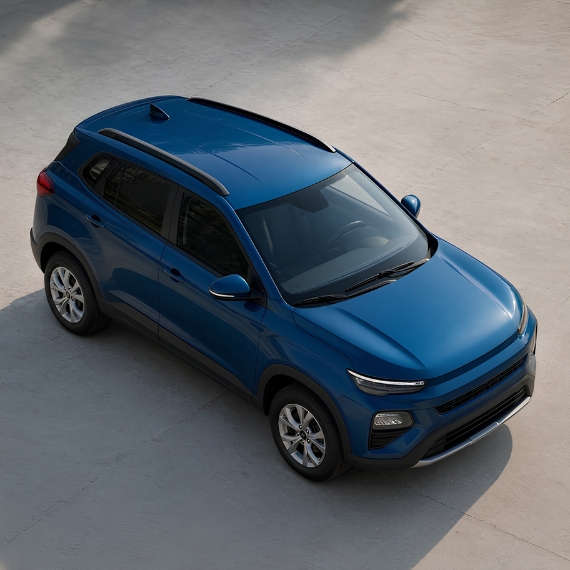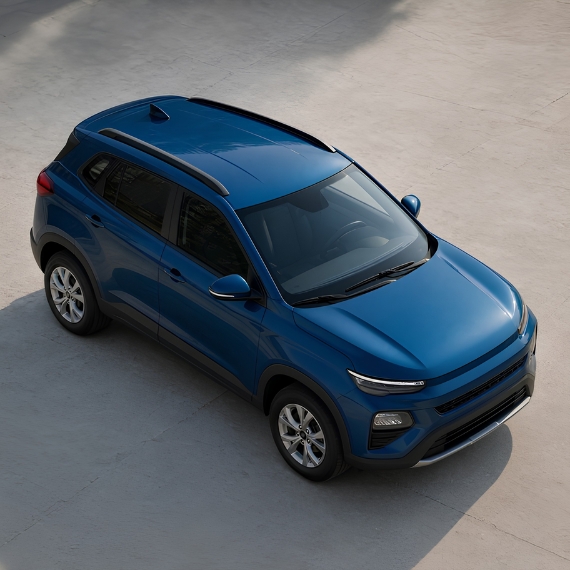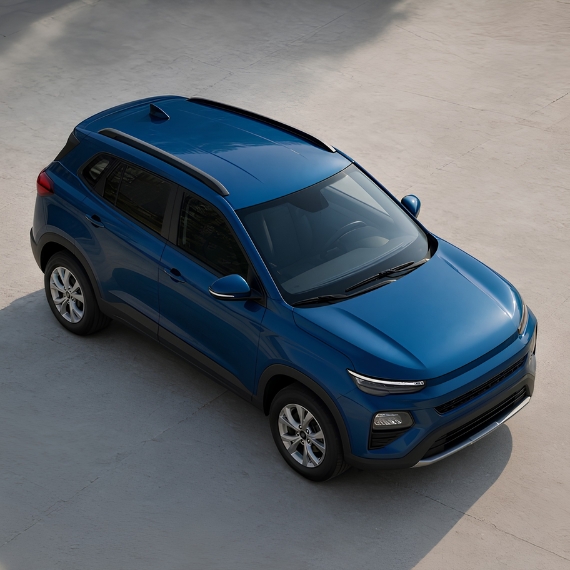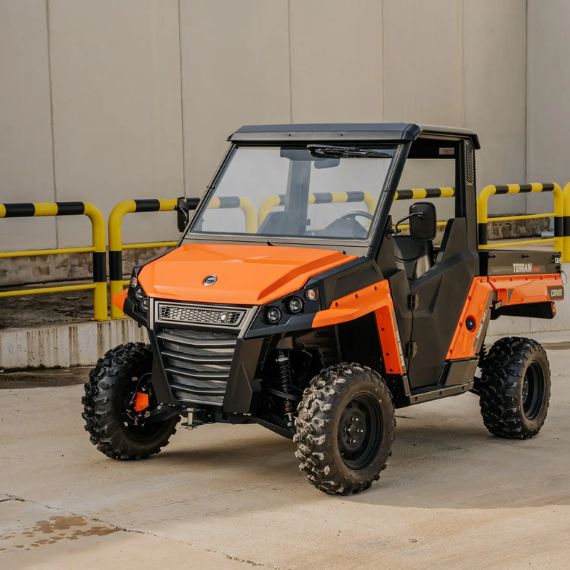
Indonesia Electric Commercial Vehicle Market and Forecast to 2032 - Analysis by Vehicle Type (eLCV, eHDV, eBus), OEM Origin (Chinese, Japanese, European, Local), Application (Public Transport, Mining, Logistics, Industrial), and Geography
Indonesia Electric Commercial Vehicle Market Size
The Indonesia electric commercial vehicle (eCV) market has demonstrated strong growth in recent years, supported by increasing electrification across public transport, mining, logistics, and industrial applications. Expanding charging infrastructure, government support for EV adoption, growing domestic battery and vehicle manufacturing, and increasing fleet electrification are supporting market development.
The Indonesia eCV market is projected to register a CAGR of 16.67% during 2027 - 2032, sustaining strong market growth momentum across the forecast period. Continued public transport electrification, mining and heavy-duty fleet adoption, larger domestic EV manufacturing and battery capacity, better charging infrastructure, and supportive government regulations and incentives are expected to underpin this growth.
Key Drivers Shaping the Indonesia Electric Commercial Vehicle Market
Industry, infrastructure and policy factors are supporting demand across Indonesia’s electric commercial vehicle market, including rising freight and passenger activity, public transport electrification, expanding domestic EV manufacturing, and growing adoption across mining and industrial fleets.
Expanding Commercial Transport Activity and Urbanisation Supporting eCV Demand
Indonesia’s transportation and warehousing sector grew 8.8% in 2025, with land transportation up 9.8%, reflecting higher freight and passenger activity and supporting demand for commercial vehicles, including electric fleets. More than 56% of the population already lives in urban areas, and the share is projected to reach 72.9% by 2045, sustaining long-term demand for urban buses, delivery fleets and commercial mobility.
Growing Domestic EV Manufacturing and Charging Infrastructure Supporting eCV Adoption
Indonesia had nine electric-bus manufacturers with combined production capacity of 4,100 units annually as of 2026, and total investment in EV manufacturing has reached IDR 25.67 trillion, strengthening domestic capability for future electric commercial vehicles. Charging access is scaling alongside, with statistics showing 4,769 public charging stations (SPKLU) across 3,097 locations as of March 2026, up around 70% year on year, against an expected requirement of 32,000 by 2030, although coverage remains concentrated on major travel corridors.
Accelerating Public Transport Electrification
The government is targeting 90% electrification of urban public transport across 98 cities by 2030, creating a sustained pipeline for electric buses, while Jakarta aims to electrify 50% of the TransJakarta fleet by 2027 and reach around 10,000 all-electric buses by 2029. With 798 electric buses in operation as of March 2026, commercial EV adoption remains at an early stage compared with the broader electric-vehicle ecosystem.
Increasing Electrification Potential in Mining & Industrial Fleets
Mining and heavy industrial operations are emerging as attractive eCV applications, given high vehicle utilisation, predictable operating routes and the potential to reduce fuel-related operating costs. Investment is also moving beyond Java, with 50.2% realised outside the island in H1 2026 and Central Sulawesi and North Maluku among the top destinations, supporting commercial vehicle demand in emerging industrial and mining regions.
Scope of the Study for Indonesia Electric Commercial Vehicle Market
Makreo Research has released a detailed report titled “Indonesia Electric Commercial Vehicle Market and Forecast to 2032 - Analysis by Vehicle Type (eLCV, eHDV, eBus), OEM Origin (Chinese, Japanese, European, Local), Application (Public Transport, Mining, Logistics, Industrial), and Geography”. The report offers a structured market analysis of the Indonesia Electric Commercial Vehicle Market, covering historical market performance, current industry dynamics, market segmentation, charging infrastructure, the manufacturing and supply ecosystem, the trade landscape, competitive environment, market challenges, opportunities and the market outlook through 2032. It opens by evaluating the overall development of the Indonesia Electric Commercial Vehicle Market, with particular emphasis on market trends, vehicle adoption, manufacturing developments, government regulations, charging infrastructure and the factors influencing market growth, including -
Market Size and Demand Analysis
-
The report opens with a comprehensive assessment of the Indonesia Electric Commercial Vehicle Market, examining historical market performance, current market dynamics and the future growth outlook.
-
Market share and demand are analysed in detail across vehicle type, OEM origin, application type and region.
Commercial Vehicle and Electric Vehicle Industry Analysis
-
The study evaluates the broader commercial vehicle industry, covering commercial vehicle production, wholesale sales, vehicle-type mix and the competitive landscape.
-
It also assesses the wider electric vehicle industry, including EV stock, wholesale sales and powertrain trends, charging infrastructure, investment and manufacturing ecosystem, government regulations and fiscal incentives relevant to eCV adoption.
Manufacturing, Trade and Charging Infrastructure
-
The study examines Indonesia’s electric commercial vehicle manufacturing and supply ecosystem, covering manufacturing footprint, production capabilities, investments and key player product portfolios.
-
The eCV trade landscape is evaluated through market trade analysis and electric truck exports.
-
A dedicated assessment of charging infrastructure covers development, operators, charging and battery-swapping trends, heavy-duty and corridor development, and infrastructure scale-up and outlook.
Competitive Landscape and Key Players
-
A dedicated section benchmarks the key players in the Indonesia Electric Commercial Vehicle Market on investments, manufacturing footprint, production capabilities, product portfolios and competitive positioning, giving a comprehensive view of the competitive landscape.
-
Detailed profiles of major market participants cover business overview, business highlights, product portfolios, financial performance where available, and recent mergers, acquisitions, investments, disinvestments and funding activity.
Future Outlook and Strategic Considerations
-
The report closes with a market forecast for the Indonesia Electric Commercial Vehicle Market through 2032, with projections by vehicle type, OEM origin, application type and region, supported by scenario analysis.
-
Emerging opportunities are identified alongside the key challenges and factors expected to shape market growth over the forecast period.
-
2023 - 2026: Past and Present Scenario
-
2026: Base year of study
-
2027 - 2032: Future Outlook
Indonesia Electric Commercial Vehicle Market Segmentation
-
eLCV
-
eHDV
-
eBus
-
Chinese
-
Japanese
-
Local/Indonesian
-
European
-
Public Transport
-
Mining
-
Logistics
-
Industrial
-
Others
Geography Assessed
-
Java
-
Sumatra
-
Kalimantan
-
Sulawesi
-
Others
-
Competition
-
Mergers, Acqusitions and Investments
-
Funding Timeline
-
Company Profiles
Indonesia Electric Commercial Vehicle Market Insights
Indonesia Electric Commercial Vehicle Market Revenue - Past and Present Performance, 2023 - 2026E
Source: Makreo Research
Strong Growth Driven by Accelerating Electrification and Fleet Adoption
Electrification across public transport, mining, logistics and industrial applications has driven strong growth in the Indonesia electric commercial vehicle market in recent years. Expanding charging infrastructure, growing domestic EV and battery manufacturing capabilities, and supportive government policies have further strengthened market growth.
Strong growth is expected to continue over the forecast period, driven by ongoing fleet electrification, rising commercial EV adoption including electric buses and electric trucks, infrastructure expansion, localised vehicle and battery production, and increasing investment across key end-use industries.
Indonesia Electric LCV Sales Show Increasing Adoption
Electric LCV (eLCV) sales recorded relatively high growth over 2023 to 2024, with quarterly fluctuations reflecting the early stage of adoption. The segment picked up more strongly in 2025, pointing to improving commercial interest in electric light-duty fleets, although demand stayed uneven across quarters.
Indonesia Commercial Vehicle Production Share by Vehicle Type, 2025
Pickup Vehicles Dominate Indonesia’s Commercial Vehicle Production
Pickup vehicles accounted for the bulk of Indonesia’s commercial vehicle production in 2025, with trucks the second-largest segment and buses a relatively small share, underlining the strong role of light commercial and freight-oriented vehicles in domestic production.
Future Outlook - Strong Growth Driven by Accelerating Electrification
The Indonesia electric commercial vehicle market is projected to register a CAGR of 16.67% during 2027 - 2032, supported by increasing electrification across public transport, mining, logistics and industrial applications, together with continued expansion of charging infrastructure and domestic EV manufacturing.
Fleet electrification, battery ecosystem development, localisation, supportive government policies and growing eCV adoption are expected to sustain this momentum through 2032 and strengthen the long-term market outlook.
Strategic Investments and Recent Developments
BYD Company Limited
In April 2026, President Prabowo Subianto inaugurated Indonesia’s first commercial electric vehicle (bus and truck) assembly plant in Magelang, Central Java. The plant is operated by PT VKTR Sakti Industries (VKTS), a joint venture between VKTR, BYD’s authorised distribution partner, and Karoseri Tri Sakti, and marks a domestic assembly milestone for the Indonesia eCV market.
Mitsubishi Fuso Truck and Bus Corporation
In April 2026, Daimler Truck and Toyota Motor Corporation completed the integration of Mitsubishi Fuso Truck and Bus Corporation (MFTBC) and Hino Motors Ltd. under a new holding company, Archion Corporation.
PT Mobil Anak Bangsa
In May 2026, PT Mobil Anak Bangsa (MAB) announced the acquisition of a former karoseri (bodybuilder) company in Pasuruan, East Java, taken over from receivership, as a dedicated assembly facility for its medium and heavy-duty electric trucks. Preparations had been underway since the prior year, with operations targeted to begin by the end of June 2026, supporting local electric truck assembly.
Companies Covered in the Indonesia Electric Commercial Vehicle Market
-
BYD Company Limited
-
Mitsubishi Fuso Truck and Bus Corporation
-
PT VKTR Teknologi Mobilitas
The study covers a total of 7 Indonesia Electric Commercial Vehicle Market companies. To know more, please reach out to [email protected]
What Is the Current Growth Outlook for the Indonesia Electric Commercial Vehicle Market? +
What Factors Are Supporting the Growth of Indonesia’s Electric Commercial Vehicle Market? +
Which Vehicle Type Dominates the Indonesia Electric Commercial Vehicle Market? +
How Is Indonesia’s Electric Commercial Vehicle Manufacturing Ecosystem Evolving? +
Who Are the Key Players in the Indonesia Electric Commercial Vehicle Market? +
What Is an Electric Commercial Vehicle ? +
Looking for a Section from Report? Start your Partial Purchase Request
Table of Contents
- 1.Research Methodology
- 1.1.Research Objective
- 1.2.Indonesia Electric Commercial Vehicle Market Definitions
- 1.3.Research Design and Procedure
- 1.4.Data Collection Methods
- 1.5.Research Methodology
- 1.6.Analytical Framework
- 2.Indonesia Electric Commercial Vehicle Market Analysis
- 2.1.Indonesia Electric Commercial Vehicle Market Overview
- 2.2.Indonesia Electric Commercial Vehicle Market Past and Present Performance
- 2.3.Indonesia Electric Vehicle Sales & Commercial EV Development Trends
- 2.4.Indonesia Electric Light Commercial Vehicle Sales
- 2.5.Indonesia Electric Commercial Vehicle Market Recent Developments
- 2.6.Indonesia Electric Commercial Vehicle Market Drivers
- 2.7.Indonesia Electric Commercial Vehicle Market Fleet & Depot Development
- 2.8.Indonesia Electric Commercial Vehicle Market Growth in Electric Bus Deployment
- 2.9.Electric Bus Pricing and Cost Dynamics in Indonesia
- 2.10.Regulations Concerning Indonesia Electric Commercial Vehicle Market
- 3.Indonesia Electric Commercial Vehicle Market Segmentation
- 3.1.Indonesia Electric Commercial Vehicle Market Segmentation
- 3.1.1.Indonesia Electric Commercial Vehicle Market Segmentation by Vehicle Type
- 3.1.2.Indonesia Electric Commercial Vehicle Market Segmentation by OEM Origin
- 3.1.3.Indonesia Electric Commercial Vehicle Market Segmentation by Application Type
- 3.1.4.Indonesia Electric Commercial Vehicle Market Segmentation by Geography
- 3.1.Indonesia Electric Commercial Vehicle Market Segmentation
- 4.Indonesia Commercial and Electric Vehicle Industry Analysis
- 4.1.Indonesia Commercial Vehicle Market Overview
- 4.2.Indonesia Commercial Vehicle Market Domestic Manufacturing vs. Import Pressure
- 4.3.Indonesia Commercial Vehicle Production, Wholesale Sales & Competitive Landscape
- 4.4.Indonesia EV Market Share and Stock
- 4.5.Indonesia EV Wholesale Sales & Powertrain Trends
- 4.6.Indonesia EV Investment & Manufacturing Ecosystem Overview
- 4.7.Indonesia Government Regulations & Incentives Supporting EV Adoption
- 5.Indonesia Electric Commercial Vehicle Charging Infrastructure
- 5.1.Indonesia EV Charging Infrastructure
- 5.2.Indonesia EV Charging Infrastructure by Operator
- 5.3.Indonesia EV Charging & Battery-Swapping Infrastructure Trends
- 5.4.Indonesia Electric Commercial Vehicle Market Heavy-Duty & Corridor Development
- 5.5.Indonesia Electric Commercial Vehicle Charging Infrastructure Scale-Up & Outlook
- 6.Indonesia Electric Commercial Vehicle Market Manufacturing & Supply Ecosystem
- 6.1.Indonesia’s Electric Commercial Vehicle Manufacturing & Supply Ecosystem
- 7.Indonesia Electric Commercial Vehicle Market Trade Analysis
- 7.1.Indonesia Electric Commercial Vehicle Market Trade Analysis
- 7.2.Indonesia Electric Trucks Export Analysis
- 8.Indonesia Electric Commercial Vehicle Market Competitive Landscape
- 8.1.Indonesia Electric Commercial Vehicle Market Investments by Key Players
- 8.2.Indonesia Electric Commercial Vehicle Market Manufacturing Footprint Benchmark
- 8.3.Indonesia Electric Commercial Vehicle Market Key Players Product Portfolio Matrix
- 9.Indonesia Electric Commercial Vehicle Market Mergers /Acquisitions/ Investments/ Disinvestments and Funding Timeline
- 9.1.Mergers /Acquisitions/ Investments/ Disinvestments
- 9.2.Funding Timeline
- 8.Indonesia Electric Commercial Vehicle Market Company Profiles
- 10.1.Player 1 - Business Overview
- 10.1.1.Business Highlights
- 10.2.Player 2 - Business Overview
- 10.2.1.Business Highlights
- 10.2.2.Business Financials
- 10.3.Player 3 - Business Overview
- 10.3.1.Business Highlights
- 10.4.Player 4 - Business Overview
- 10.4.1.Business Highlights
- 10.5.Player 5 - Business Overview
- 10.5.1.Business Highlights
- 10.5.2.Business Financials
- 10.6.Player 6 - Business Overview
- 10.6.1.Business Highlights
- 10.7.Player 7 - Business Overview
- 10.7.1.Business Highlights
- 10.1.Player 1 - Business Overview
- 11.Indonesia Electric Commercial Vehicle Market Challenges
- 11.1.Indonesia Electric Commercial Vehicle Market Challenges Overview
- 11.1.1.Indonesia Electric Commercial Vehicle Market Challenges
- 11.1.Indonesia Electric Commercial Vehicle Market Challenges Overview
- 12.Indonesia Electric Commercial Vehicle Market Opportunities
- 12.1.Indonesia Electric Commercial Vehicle Market Opportunities Overview
- 12.1.1.Indonesia Electric Commercial Vehicle Market Opportunities
- 12.1.Indonesia Electric Commercial Vehicle Market Opportunities Overview
- 13.Indonesia Electric Commercial Vehicle Market Future Outlook
- 13.1.Indonesia Electric Commercial Vehicle Market Future Outlook
- 13.2.Indonesia Electric Commercial Vehicle Market Scenario Analysis
- Limitations of the Study
Related Reports - Automotive & Transportation