Namibia Warehousing and Storage Market and Forecast to 2031 - Analysis by Warehouse Type (Bulk Warehousing, Multipurpose Warehousing, Cold Storage), Transport Mode and End-Use Industry
Namibia Warehousing and Storage Market Size
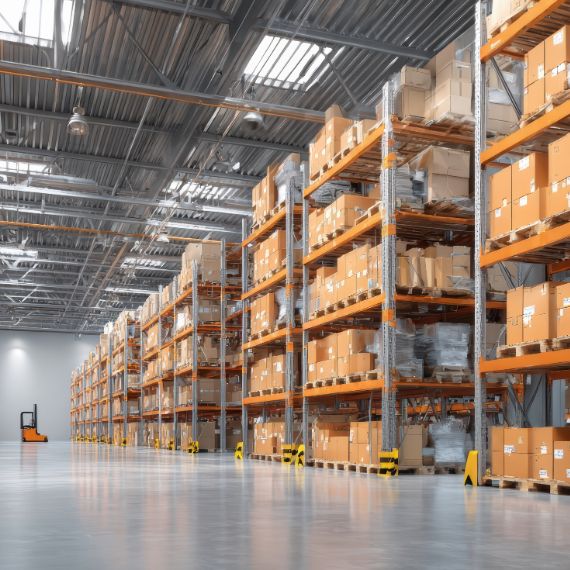
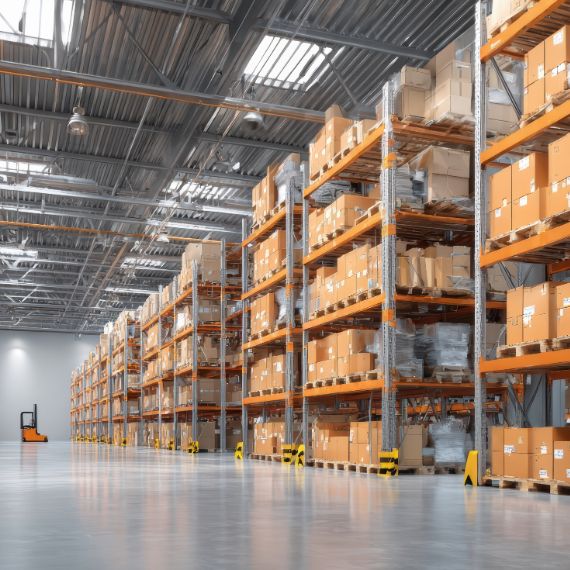
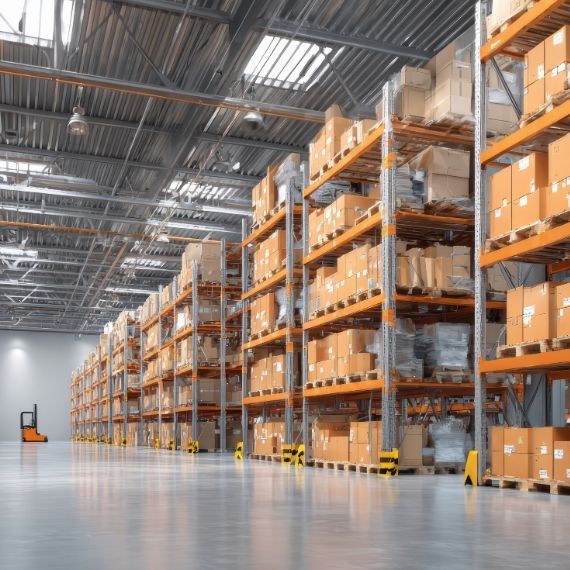
The Namibia warehousing and storage market has recorded steady growth in recent years, underpinned by rising trade volumes, expanding logistics infrastructure, and the country's growing prominence as a strategic gateway to Southern Africa. Namibia's well-established transport corridors, anchored by the Port of Walvis Bay, continue to reinforce its position as a regional logistics and distribution hub, facilitating both domestic consumption and cross-border trade flows across the wider Southern African region.
The market continues to benefit from increasing cargo throughput at Walvis Bay, sustained demand from the mining, agriculture, and manufacturing sectors, and ongoing capital investment in port, road, rail, and multimodal logistics infrastructure. These developments are complemented by government-led trade facilitation initiatives, improvements in cross-border connectivity, and targeted expansion of warehousing and cold storage capacity, all of which are strengthening Namibia's supply chain resilience and reinforcing its role as a critical node within regional distribution networks.
Key Drivers Shaping the Namibia Warehousing and Storage Market
The growth trajectory of the Namibia warehousing and storage market is underpinned by a combination of trade, logistics, infrastructure, and sector-specific dynamics. Rising cargo movement, deepening regional trade integration, and sustained investment in logistics infrastructure continue to reinforce demand across the country's storage and distribution ecosystem.
-
Port Activity Continues to Underpin Warehousing and Logistics Demand - Namibia's ports remain the cornerstone of the country's warehousing and storage ecosystem. The nation's strategic position along the Atlantic coast, combined with the growing prominence of the Port of Walvis Bay as a regional trade gateway, has meaningfully elevated demand for warehousing, distribution, and cargo-handling infrastructure. For the financial year ended March 2025, Namport processed approximately 8.42 million tonnes of cargo, with Walvis Bay accounting for the majority share of throughput. Sustained growth across containerized, dry bulk, and liquid bulk cargo segments continues to reinforce the need for expanded storage and logistics capacity.
-
Expanding Cross-Border and Transit Trade Reinforcing Storage Requirements - Namibia is steadily consolidating its position as a logistics hub for Southern Africa, leveraging key transport corridors that connect landlocked economies such as Zambia, Botswana, Zimbabwe, and the Democratic Republic of Congo to global markets. This trajectory is reflected in the performance of Lüderitz Port, where cargo volumes rose by 21.7% year-on-year in FY 2025, underscoring the strengthening momentum of regional transit trade and its corresponding impact on warehousing demand.
-
Mining, Agriculture, and Livestock Sectors Driving Sector-Specific Warehousing Needs - The mining sector remains a central pillar of Namibia's economy and continues to generate substantial demand for bulk storage, equipment warehousing, and allied logistics services. Complementing this, the agriculture and livestock sectors, which collectively contribute approximately 4% to national GDP, continue to drive demand for cold storage facilities and agricultural warehousing infrastructure, reflecting the diversified nature of storage requirements across the economy.
-
Rising Investment in Logistics and Storage Infrastructure Strengthening Market Capacity - Continued investment in logistics and storage infrastructure is expanding Namibia's warehousing capacity and reinforcing its standing as a regional distribution hub. A notable development came in 2025, when Dangote Refinery announced plans to construct fuel storage tanks at Walvis Bay with a planned capacity of at least 1.6 million barrels - a move that reflects growing investor confidence in Namibia's strategic logistics positioning and its long-term trade potential.
Namibia Warehousing and Storage Industry Insights
Namibia Warehousing and Storage Market Revenue, FY 2023 - FY 2026
Makreo Research
Rising Trade Activity Fuels Namibia's Warehousing Growth
The Namibia warehousing and storage market has demonstrated steady growth in recent years, driven by increasing transit and cross-border trade activity, rising cargo volumes through key ports, growing demand from the mining and agriculture sectors, and ongoing investments in logistics infrastructure.
The market is expected to register a CAGR of approximately 5.0% during 2023–2026, supported by increasing warehousing requirements associated with regional trade flows, bulk commodity handling, agricultural exports, and energy-related logistics activities. Growing demand for storage, distribution, and cargo consolidation services continues to strengthen the role of warehousing within Namibia’s trade and logistics ecosystem.
Additionally, ongoing investments in port infrastructure, logistics hub development, transport corridor expansion, and cold storage facilities, along with Namibia’s increasing importance as a regional gateway for Southern Africa, are expected to further support market growth and enhance the long-term development of the warehousing and storage sector.
Namport Cross-Border Cargo Market Share by Country, 2025
Makreo Research
What is driving the Namibia warehousing and storage market? +
Why is Walvis Bay important for Namibia's warehousing market? +
Which industries create the highest demand for warehousing in Namibia? +
What market segments are covered in the Namibia warehousing report? +
What insights does the Namibia warehousing and storage market report provide? +
Scope of the Study for Namibia Warehousing and Storage Market
Makreo Research has published a comprehensive report titled "Namibia Warehousing and Storage Market and Forecast to 2031 - Analysis by Warehouse Type (Bulk Warehousing, Multipurpose Warehousing, Cold Storage), Transport Mode and End-Use Industry." The study offers an in-depth assessment of Namibia's warehousing and storage industry, encompassing market performance, trade and cargo movement dynamics, logistics and transport infrastructure developments, port and transit cargo trends, end-user industry demand, and prospective growth opportunities through 2031. The report examines the role of Namibia's strategic logistics corridors, the Port of Walvis Bay, cross-border trade flows, and ongoing infrastructure investments in shaping warehousing demand across the country, while also evaluating emerging opportunities in bulk storage, multipurpose warehousing, and cold storage facilities.
The report begins by evaluating the overall development of the market, with particular focus on the key structural elements shaping the industry, including:
Revenue and Category Analysis
-
The study presents a comprehensive analysis of Namibia's warehousing and storage market revenue, covering historical market performance, key industry developments, and future growth prospects through 2031.
-
Detailed segmentation is provided across warehouse type, end-use industry, and transport mode, highlighting storage demand patterns, cargo movement trends, sector-wise warehousing requirements, and growth opportunities across major market segments.
Warehousing and Logistics Infrastructure Analysis
-
A dedicated section examines Namibia's logistics and transport infrastructure ecosystem, assessing the role of ports, transport corridors, and multimodal cargo networks in supporting warehousing demand and regional trade activity.
-
The report analyzes key logistics gateways and cargo movement trends, including the Port of Walvis Bay, Lüderitz Port, transit cargo corridors, and cross-border trade flows, evaluating cargo throughput, operational performance, and infrastructure development initiatives.
-
Particular attention is given to the expansion of cold storage capacity, logistics hub development programs, and investment in storage infrastructure, alongside the growing warehousing requirements emerging from the mining, agriculture, food and beverage, and energy sectors.
Trade Performance and Export Analysis
-
The report provides a detailed assessment of Namibia's trade landscape, including export and import statistics by commodity, key trading partners, and trade distribution across transport modes, highlighting their implications for warehousing demand and storage infrastructure requirements.
-
It examines port cargo throughput, cargo handling trends, operational performance, transit cargo movements, and Namport's key performance indicators, identifying the role of Walvis Bay and Lüderitz ports in supporting freight movement, regional trade, and warehousing activity.
-
The study further explores multimodal cargo flows across sea, road, rail, and air transport, alongside cold storage capacity expansion and logistics hub development initiatives, underscoring emerging opportunities in specialized storage and distribution infrastructure.
Future Outlook
The report concludes with detailed revenue forecasts for the Namibia warehousing and storage market through 2031, covering both the overall market and the bulk & multipurpose warehousing segment.
-
2023 - 2026: Past and Present Scenario
-
2026: Base year of study
-
2026 - 2031: Future Outlook
Namibia Warehousing and Storage Market Segmentation
-
Bulk Warehousing
-
Multipurpose Warehousing
-
Cold Storage Facilities
-
Mining
-
Agriculture and Livestock
-
Food and Beverages
-
Energy
-
Sea Freight
-
Road Freight
-
Rail Freight
-
Air Cargo
Looking for a Section from Report? Start your Partial Purchase Request
Table of Contents
- 1.Namibia Warehousing and Storage Market Past and Present Performance
- 1.1.Namibia Warehousing and Storage Market Past & Present Performance
- 1.1.1.Namibia Bulk and Multipurpose Warehousing Market Past and Present Performance
- 1.1.Namibia Warehousing and Storage Market Past & Present Performance
- 2.Namibia Trade Analysis
- 2.1.Namibia Trade Distribution by Mode and Key Border Gateways
- 2.2.Namibia Export and Import Statistics
- 2.3.Namibia Export and Import Statistics by Commodities
- 2.4.Namibia Export and Import Statistics by Key Partners
- 3.Namibia Key Industry Analysis
- 3.1.Namibia Mining Sector Performance and Composite Mineral Index Trends
- 3.2.Namibia Agricultural and Livestock Sector Performance Overview
- 3.3.Namibia Beverage Production and Consumer Price Inflation Trends
- 3.3.1.Namibia Food and Beverage Import Trends
- 3.4.Namibia Energy and Environmental Performance Indicators
- 4.Namibia Warehousing and Storage Market Analysis
- 4.1.Namibia Multimodal Cargo Movement and Sea Freight Breakdown
- 4.2.Namibia Port Cargo Throughput and Handling Trends
- 4.3.Namibia Port Performance and Operational Efficiency Trends
- 4.4.Namport Performance Against Key Performance Indicators
- 4.4.1.Namport Cross-Border Cargo Trends and Trade Flow Analysis
- 4.5.Namibia Walvis Bay Transit Cargo and Transport Group Projections
- 4.6.Namibia Road Cargo Composition and Sea Cargo Index Trends
- 4.6.1.Namibia Cargo Index Trends Across Transport Modes
- 4.7.Namibia Rail Cargo Composition and Road Cargo Index Trends
- 4.7.1.Namibia Rail Cargo Volume and Transport Mode Projections
- 4.8.Namibia Air Cargo Composition and Air Cargo Index Trends
- 4.9.Namibia Logistics Hub Centre Development Programme
- 4.9.1.Namibia Logistics Infrastructure Expansion and Projected Traffic Volumes
- 4.10.Namibia Cold Storage Capacity, Expansion and Future Plans
- 5.Namibia Warehousing and Storage Market Future Outlook
- 5.1.Namibia Warehousing and Storage Market Future Outlook
- 5.1.1.Namibia Bulk and Multipurpose Warehousing Market Future Outlook
- 5.1.Namibia Warehousing and Storage Market Future Outlook
- Limitations of the Study
Related Reports - Automotive & Transportation