Ethiopia Warehousing and Storage Market and Forecast to 2031 - Analysis by Warehouse Type (Bulk Warehousing, Multipurpose Warehousing) and Transport Mode (Maritime Trade, Rail Freight, Air Cargo, Cross-Border Trucking)
Ethiopia Warehousing and Storage Market Size
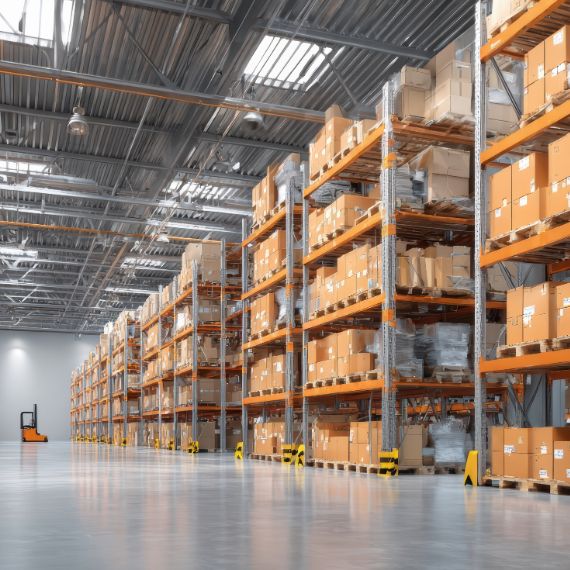
The Ethiopia warehousing and storage market has experienced gradual growth in recent years, supported by increasing import and export activity, expanding agricultural production, rising industrialization, and continued investments in logistics infrastructure. As a landlocked economy heavily dependent on regional trade corridors, particularly through Djibouti, the country has witnessed growing demand for bulk and multipurpose warehousing facilities to support trade, agriculture, manufacturing, and distribution activities. The market continues to benefit from the expansion of dry ports, logistics parks, industrial zones, and transport connectivity projects, alongside ongoing efforts to improve supply chain efficiency, freight handling capacity, and storage infrastructure across key economic corridors.
Key Drivers Shaping the Ethiopia Warehousing and Storage Market
The Ethiopia warehousing and storage market's growth trajectory is shaped by a combination of trade, infrastructure, and demand-side factors, reinforced by expanding logistics requirements, rising e-commerce penetration, and sustained investment in transport infrastructure.
-
Agricultural Sector Driving Sustained Warehousing Demand - Agriculture remains the backbone of Ethiopia's economy and a principal contributor to export activity, generating consistent demand for storage, handling, and logistics infrastructure. Rising agricultural production, together with growing exports of commodities such as coffee, oilseeds, pulses, and horticultural products, continues to increase the need for bulk and multipurpose warehousing facilities across key production and trade corridors.
-
Expanding Air Cargo Operations Reinforcing Logistics Growth - Ethiopia's standing as a leading aviation and logistics hub in Africa continues to strengthen demand for warehousing and distribution services. The expansion of air cargo operations, coupled with the growing movement of high-value, time-sensitive goods, is driving sustained investment in cargo handling facilities, airport-linked warehouses, and integrated logistics infrastructure.
-
Development of Dry Ports and Freight Infrastructure Enhancing Storage Requirements - Continued investment in dry ports, logistics parks, and freight transportation networks is improving cargo movement efficiency across the country. The ongoing expansion of inland logistics infrastructure is increasing demand for transit storage, bulk warehousing, and distribution facilities situated near key trade and industrial centers.
-
Industrialization and Economic Zone Expansion Boosting Warehouse Demand - The continued growth of industrial parks and special economic zones is generating additional demand for modern warehousing solutions. As manufacturing, processing, and export-oriented industries expand, businesses increasingly require larger storage capacities, robust inventory management facilities, and integrated logistics support services to strengthen supply chain efficiency and facilitate both domestic and international trade.
Ethiopia Warehousing and Storage Industry Insights
Ethiopia Warehousing and Storage Market Revenue, 2023-2026E
CAGR 2023-2026E: 8.93%
Makreo Research
Ethiopia's Growing Trade and Logistics Infrastructure Investments
The Ethiopia warehousing and storage market has demonstrated strong growth in recent years, driven by increasing trade activity, expanding agricultural production, growing industrialization, and continued investments in logistics and transport infrastructure.
The market is expected to register a CAGR of approximately 8.93% during 2023–2026, supported by rising demand for storage, handling, and distribution facilities across agriculture, manufacturing, import-export trade, and other logistics-intensive sectors. The growing importance of bulk and multipurpose warehousing continues to strengthen the role of storage infrastructure within Ethiopia’s evolving supply chain and trade ecosystem.
Additionally, ongoing investments in dry ports, rail freight connectivity, air cargo infrastructure, special economic zones, and logistics corridor development are expected to further support market expansion. Improvements in freight movement efficiency and inland logistics infrastructure are anticipated to enhance long-term growth prospects for Ethiopia’s warehousing and storage sector.
Ethiopian Trade Share in Djibouti Port Throughput, 2025
Makreo Research
What is driving the Ethiopia warehousing and storage market? +
Which sectors generate the highest demand for warehousing in Ethiopia? +
How does the Ethiopia-Djibouti corridor support the warehousing market? +
What segments are covered in the Ethiopia warehousing market report? +
What insights does the Ethiopia warehousing and storage market report provide? +
Scope of the Study for Ethiopia Warehousing and Storage Market
Makreo Research has published a comprehensive report titled "Ethiopia Warehousing and Storage Market and Forecast to 2031 – Analysis by Warehouse Type (Bulk Warehousing, Multipurpose Warehousing) and Transport Mode (Maritime Trade, Rail Freight, Air Cargo, Cross-Border Trucking)." The study offers an in-depth assessment of Ethiopia's warehousing and storage industry, encompassing market performance, trade activity, agricultural and logistics sector developments, transport connectivity, dry port infrastructure, warehouse rental trends, and future growth opportunities through 2031.
The report begins by evaluating the overall development of the market, focusing on key structural elements shaping the industry, including:
Revenue and Category Analysis
-
The study presents a comprehensive analysis of the Ethiopia warehousing and storage market, covering historical market performance, current industry developments, and future growth prospects through 2031.
-
Detailed segmentation is provided across warehouse type and transport mode, highlighting the roles of bulk and multipurpose warehousing, as well as the influence of maritime trade, rail freight, air cargo, and cross-border trucking on storage demand and logistics infrastructure development.
Warehousing and Logistics Infrastructure Analysis
-
A dedicated section examines Ethiopia's logistics and storage infrastructure ecosystem, covering the country's dry ports network, logistics facilities, and warehouse infrastructure, along with their role in supporting trade, agricultural exports, and freight movement.
-
The report examines Ethiopia's key trade and logistics corridors, including the Ethiopia–Djibouti route, major dry ports, rail freight infrastructure, and air cargo facilities, assessing their contribution to cargo handling, storage demand, and supply chain efficiency.
-
The report further examines ongoing developments in dry ports, special economic zones, and logistics infrastructure, alongside the growing importance of rail freight, air cargo, and cross-border trucking in strengthening warehousing demand and regional trade connectivity.
Trade Performance and Export Analysis
-
The report provides a detailed assessment of Ethiopia's trade landscape, including export and import statistics by commodity and key trading partners, highlighting their influence on warehousing demand, cargo storage requirements, and logistics infrastructure development.
-
It examines Ethiopia's trade connectivity, port dependence, and the Ethiopia–Djibouti logistics corridor, evaluating the movement of import and export cargo and the role of maritime trade, rail freight, air cargo, and cross-border trucking in supporting freight distribution and storage activities.
-
The study further evaluates freight trends, dry port operations, and logistics performance developments, highlighting the growing importance of inland logistics infrastructure, warehouse facilities, and multimodal transport networks in improving supply chain efficiency and trade competitiveness.
Ethiopia Warehousing and Storage Market Future Outlook
The report concludes with detailed revenue forecasts for the Ethiopia warehousing and storage market through 2031, covering both the overall market and the bulk & multipurpose warehousing segment.
-
2023 - 2026: Past and Present Scenario
-
2026: Base year of study
-
2026 - 2031: Future Outlook
Ethiopia Warehousing and Storage Market Segmentation
-
Bulk Warehousing
-
Multipurpose Warehousing
-
Maritime Trade
-
Rail Freight
-
Air Cargo
-
Cross-Border Trucking
Looking for a Section from Report? Start your Partial Purchase Request
Table of Contents
- 1.Ethiopia Warehousing and Storage Market Past and Present Performance
- 1.1.Ethiopia Warehousing and Storage Market Past & Present Performance
- 1.1.1.Ethiopia Bulk and Multipurpose Warehousing Market Past and Present Performance
- 1.1.Ethiopia Warehousing and Storage Market Past & Present Performance
- 2.Ethiopia Trade Analysis
- 2.1.Ethiopia Export and Import Statistics
- 2.2.Ethiopia Export and Import Statistics by Commodities
- 2.3.Ethiopia Export and Import Statistics by Key Partners
- 3.Ethiopia Key Industry Analysis
- 3.1.Ethiopia Agricultural Production and Land Potential Overview
- 4.Ethiopia Warehousing and Storage Market Analysis
- 4.1.Ethiopia Trade Connectivity, Port Dependence & Regional Corridor Developments
- 4.2.Ethiopia–Djibouti Maritime Trade and Logistics Overview
- 4.3.Ethiopia Freight Trends and Rail Capacity Growth Analysis
- 4.4.Ethiopia Air Cargo Trends and Capacity Expansion
- 4.5.Ethiopia Cross Border Truck Demand & Capacity Structure for Dry Cargo Movement
- 4.6.Ethiopia Dry Ports Network and Logistics Constraints Overview
- 4.7.Ethiopia Special Economic Zones Infrastructure
- 4.8.Ethiopia Logistics, Dry Port and Warehouse Infrastructure Developments
- 4.9.Ethiopia Logistics Performance Trends Transport and Storage Analysis
- 4.10.Ethiopia Warehouse Rental Market Overview
- 5.Ethiopia Warehousing and Storage Market Future Outlook
- 5.1.Ethiopia Warehousing and Storage Market Future Outlook
- 5.1.1.Ethiopia Bulk and Multipurpose Warehousing Market Future Outlook
- 5.1.Ethiopia Warehousing and Storage Market Future Outlook
- Limitations of the Study
Related Reports - Automotive & Transportation