

U.S. Warehouse Automation Market: Exploring Potential and Innovation
The projected growth in US warehouse automation market revenue from 2023 to 2028 is driven by advancements in AGV, AMR, picking, storage, conveyor, and sortation technologies.
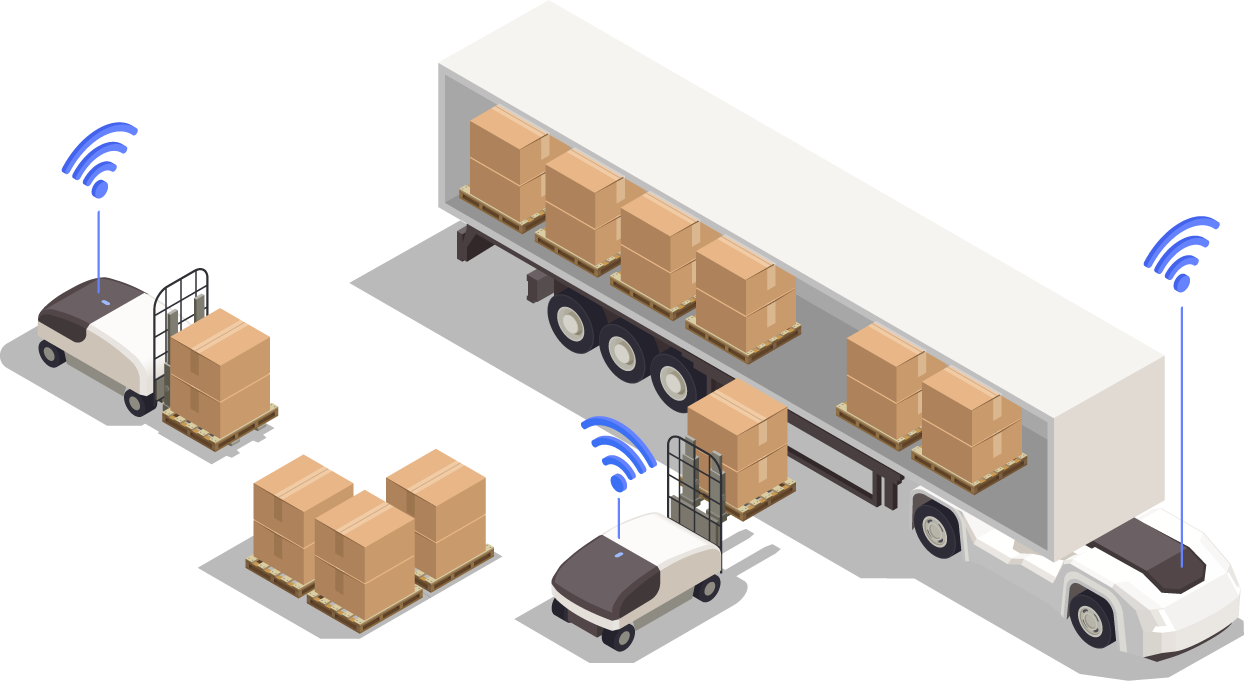
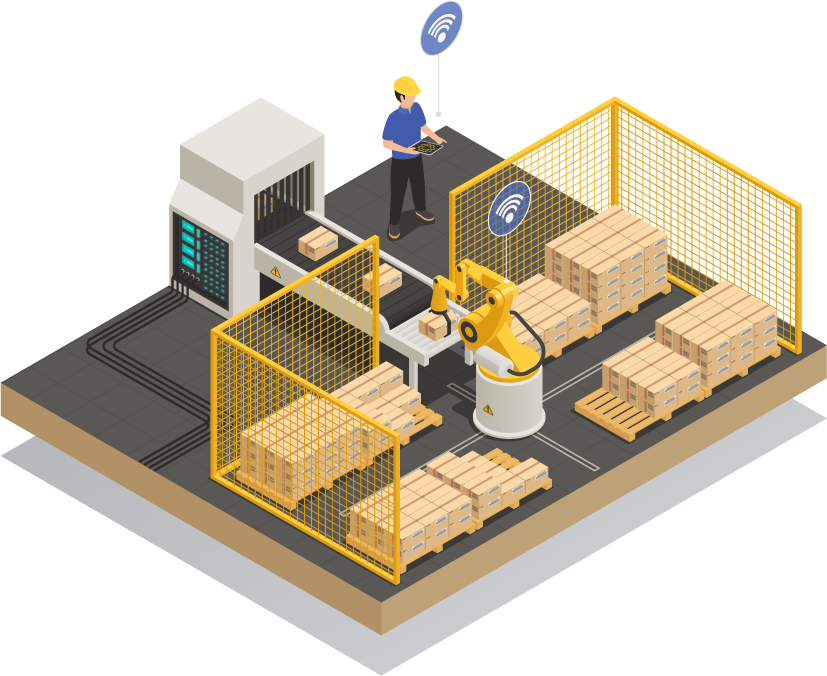
Automating warehouse operations helps cut down on manual labor. To increase accuracy and efficiency, it automates warehouse jobs using software, hardware, and procedures. Improved security, more effective data management, less human error, and better safety are some of the main advantages of warehouse automation.
Get the Free Sample Report:- Click Here
At present, more than 80% of warehouses are devoid of any kind of automation. In comparison, over the past ten years, only 5% of warehouses have made use of advanced automation technology and solutions. As a result, there is enormous market potential for the ecosystem of warehouse automation.
What are the Lucrative Markets for Warehouse Automation in the US?
Atlanta, Dallas/Fort Worth, Chicago, Los Angeles/Inland Empire, and New York/New Jersey are the "biggest and most competitive industrial markets."
The COVID-19 pandemic's greatest immediate commercial impact was consumers' migration to online purchasing, which sparked a rise in demand for eCommerce warehouse and distribution services. In addition to dealing with their own labor shortage, supply chain problems, and transportation issues, warehouses were also trying to keep up with increased demand, which presented a number of continuous hurdles. Flexibility is crucial for warehouses to thrive in a rapidly shifting and unpredictable environment. Businesses have been forced to reevaluate and restructure their logistics operations as a result of the pandemic. In addition, many people decide to adopt warehouse automation systems.
How has COVID-19 impacted the warehouse automation industry in the US?
Labor Issues: Workers at warehouses and distribution facilities faced the challenging possibility of keeping up with a practically impossible workload due to the shift in consumer demand to online retailers prior to the pandemic. The rate of employee turnover in warehouses is infamously high. Automation techniques can lessen the strain on these people and perhaps make the workplace a safer place to work.
The expansion of warehouse automation in 2020 and 2021 witnessed the most double-digit growth in the previous five years, primarily due to the pandemic's impact on e-commerce.
Innovation in Warehouse Automation

Fetch Robotics and Korber recently unveiled a new case-picking solution for distribution facilities that would increase productivity and safety, whereas KNAPP and GEODIS recently announced a USD 52 million agreement to develop a highly automated warehouse system.
In conclusion, warehouse automation is an efficient solution for companies to reduce manual labor, improve accuracy, and increase efficiency. The impact of COVID-19 on the industry has further emphasized the need for warehouse automation, with companies seeking to streamline their logistics operations and keep up with the rising demand for eCommerce services. As innovation continues to drive the growth of warehouse automation, we can expect to see more companies adopting this technology in the coming years.
Follow Us
LinkedIn | Instagram | Facebook
Contact Us: –
Makreo Research and Consulting
Send us a query at [email protected]
Phone No: +91-9619699069
Warehouse automation solutions, advanced automation technology, improved data management, labor shortage in warehouses, eCommerce warehouse services, supply chain problems, transportation issues, flexibility in logistics operations, innovation in warehouse automation, case-picking solutions, highly automated warehouse systems, double-digit growth in automation, increased productivity, safer workplace, reducing manual labor, improving accuracy, increasing efficiency, COVID-19 impact on warehouse automation, streamlining logistics operations, rising demand for eCommerce services.