
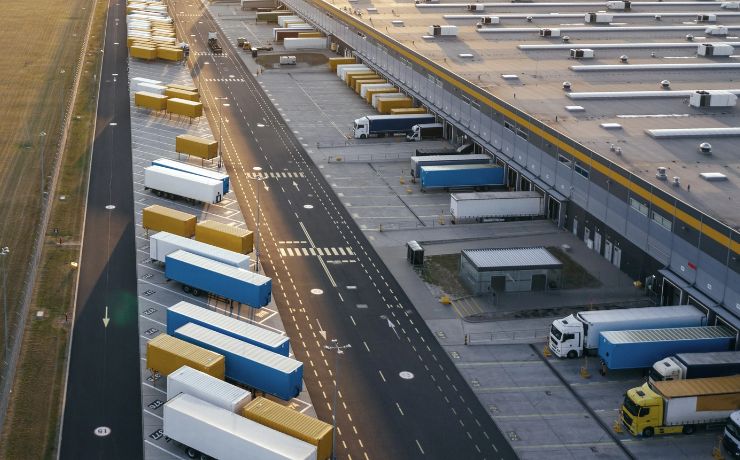
UAE Cold Chain Market to Grow at 7.98% CAGR by 2029 - Ras Al Khaimah Fuels E-Commerce and Logistics Surge
Explore the UAE Cold Chain Market's 7.98% CAGR growth by 2029, driven by pharma, food, and e-commerce. Discover Ras Al Khaimah’s rise as a logistics and digital hub.
The UAE cold chain market continues to evolve rapidly, driven by strategic government initiatives aimed at diversifying the economy and ensuring food and pharmaceutical security. With rising consumer demand for fresh, high-quality, and safe food and medical products, the integration of advanced technologies, such as IoT-enabled monitoring, blockchain, automation, and AI, is revolutionizing cold chain logistics in the Emirates.
Positioned geographically at the crossroads of Asia, Europe, and Africa, the UAE has emerged as a vital re-export hub for perishable goods. As a result, there's an increasing demand for modern cold storage facilities and refrigerated transport systems. Key industries driving this momentum include pharmaceuticals, floriculture, processed foods, and fresh produce.
Initiatives like the National Food Security Strategy 2051 and the UAE Net Zero 2050 commitment have given rise to sustainable innovations such as solar-powered cold storage and green logistics, firmly anchoring the UAE as a leader in resilient, eco-conscious logistics.
UAE Cold Chain Market Outlook - Growth Fueled by Population, Pharma, and E-Commerce
According to Makreo Research, the UAE Cold Chain Market registered a CAGR of 8.42% between 2020 and 2023, driven by:
-
Growing consumption of perishable goods: dairy, seafood, fruits, and vegetables
-
Expanding population exceeding 10 million
-
Surging demand for pharmaceuticals and vaccines
-
The rapid rise of e-commerce and home deliveries
The government’s continuous investment in cold storage infrastructure and national logistics frameworks further fuels this growth. The UAE’s 12 commercial ports, with an annual capacity of 80 million tonnes, play a pivotal role in cold chain distribution.
Additionally, the launch of the Etihad Rail network in March 2023, spanning 900 kilometers, has vastly improved inland cargo connectivity, streamlining inter-Emirate cold chain movement.
Technological Advancements Reshaping UAE Cold Chain Market
The UAE Cold Chain Market Size and Forecast (2019–2029) report by Makreo Research highlights several groundbreaking innovations enhancing the operational efficiency and transparency of cold chain logistics:
-
IoT-Enabled Temperature Monitoring: Logistics players like Najoom Al Thuraya utilize IoT-driven systems for real-time temperature and humidity tracking, ensuring the integrity of sensitive goods such as vaccines and perishable foods.
-
Blockchain for Supply Chain Traceability: Although specific blockchain use cases remain under wraps, firms like Agthia Group are leading the way in upgrading cold chain systems to improve traceability and safety.
-
AI and Data Analytics: Mohebi Logistics is leveraging AI-powered inventory management to optimize storage conditions and predict potential disruptions, enhancing operational efficiency.
-
Automation in Cold Storage: AD Ports Group, in collaboration with Noatum Logistics and SSI SCHAEFER, has automated warehousing at KLP21 (KEZAD), increasing storage capacity by over 90% in deep-freeze environments.
-
Sustainable Cold Chain Solutions: Al-Futtaim Logistics is setting the benchmark for green logistics in the UAE, investing in energy-efficient cold storage and fleet solutions to reduce carbon emissions.
Challenges in the UAE Cold Chain Logistics Market
Despite the positive outlook, the UAE cold chain logistics sector faces multiple headwinds:
High Operating Costs: Companies like Global Shipping & Logistics (GSL) contend with elevated energy and infrastructure expenses, impacting pricing strategies.
Last-Mile Delivery Issues: Maintaining cold chain integrity in the last mile, especially in harsh climates, remains a challenge for companies like Mondelez International, reliant on 3PL services.
Technology Integration Gaps: Firms such as Vervo Middle East struggle with workforce training and the seamless adoption of IoT and AI systems.
Environmental Pressures: Cold storage facilities consume large amounts of energy, leading to high carbon emissions. Industry leaders are under pressure to adopt greener alternatives.
Supply Chain Disruptions and Food Waste: Disruptions in temperature-controlled transport can cause significant product losses. Logistics firms like DAMCO emphasize the importance of an unbroken cold chain.
Infrastructure Advancements Strengthening the UAE Cold Chain Network
-
Maersk Cold Storage Facility – Dubai Industrial City: Inaugurated in July 2023, A.P. Moller–Maersk’s new cold storage facility includes 12,500 pallet spaces, accommodating frozen, chilled, and ambient products.
-
Etihad Cargo’s Pharmaceutical Hub – Abu Dhabi: Etihad Cargo launched a dedicated pharma logistics hub at Abu Dhabi International Airport, furthering the UAE’s ambitions as a global pharmaceutical logistics hub.
-
RSA Cold Chain’s Expansion – Dubai: RSA Cold Chain is scaling up its service offerings across Dubai, providing flexible and reliable cold storage solutions for a wide range of sectors.
Ras Al Khaimah: E-Commerce Future Growth Opportunities
The UAE e-commerce market is projected to surpass USD 6 billion by 2024, growing at a CAGR of 8.7%, and is expected to reach USD 10 billion by 2028. This robust growth presents significant opportunities in Ras Al Khaimah (RAK), further cementing its position as a rising logistics and e-commerce hub.
Key growth drivers include:
-
High demand from electronics, fashion, and the rapidly growing online grocery segments
-
Strategic location and industrial growth in RAK
-
Nationwide 5G rollout enhancing digital infrastructure and logistics agility
RAK Ports’ expansion, local sourcing initiatives like those by Faraday Future, and promotional efforts through the RAK Investment & Business Summit are all catalyzing growth in the cold chain and warehousing sector.
Regional Spotlight: Ras Al Khaimah Logistics Developments
Ras Al Khaimah (RAK) is becoming a strategic player in the UAE cold chain logistics market, with initiatives including:
-
RAK Ports Expansion: Equipped with 10 bulk-handling berths, 18-meter deep-water draft, and 350,000 TEU container capacity
-
Local Equipment Sourcing: Firms like Faraday Future are investing in local partnerships
-
Investment Promotion: Events like the RAK Investment & Business Summit promote logistics infrastructure to global stakeholders
Strategic Logistics and Free Zones Enabling Cold Chain Growth
The UAE’s success in logistics is underpinned by world-class free zones and industrial parks that support warehousing and cold storage operations.
Top Free Zones:
-
Jebel Ali Free Zone (JAFZA), Dubai
-
Sharjah Airport International Freezone (SAIF)
-
Hamriyah Free Zone Authority (HFZA)
-
Khalifa Industrial Zone (KIZAD), Abu Dhabi
-
Ajman Free Zone (AFZ)
Key Industrial Parks:
-
Dubai Investments Park (DIP)
-
Dubai World Central (DWC)
-
National Industrial Park (NIP)
-
Dubai Industrial City (DIC)
These hubs offer excellent regulatory support, customs benefits, and proximity to major seaports and airports, positioning the UAE as a leader in the MENA cold chain logistics sector.
Temperature-Controlled Logistics to Power the Next Decade
The UAE cold chain logistics market is projected to grow at a CAGR of 7.98% from 2024 to 2029, driven by:
-
Urban population growth and increased warehousing demand
-
Expansion of the UAE’s pharmaceutical industry (expected to grow 27% from 2021 to 2025)
-
Rising food consumption supported by booming tourism (contributing AED 450 billion to GDP by 2031)
Comprehensive UAE Cold Chain Market Report (2019–2029)
Makreo Research’s latest market study, "UAE Cold Chain Market Size and Forecast (2019–2029)," offers a detailed analysis of:
Market Segmentation:
-
By Cold Chain Type: Temperature-Controlled Storage & Transport
-
By Temperature Range: Frozen, Chilled, Ambient
-
By Industry Applications: Food, Pharmaceuticals
-
By Emirates: Abu Dhabi, Dubai, Sharjah, Ajma
Competitive Landscape:
Benchmarked based on warehouse capacity, service range, certifications, and geographical coverage. The report also covers M&A activities, funding trends, and strategic alliances.
Major Companies Covered:
-
DP World
-
Emirates SkyCargo
-
GAC
-
Mohebi Logistics
-
Aramex
-
more...
UAE Cold Chain Market - A Regional Powerhouse in the Making
The UAE cold chain market is set to play a pivotal role in the country’s vision for economic diversification and supply chain resilience. With investments pouring into smart warehouses, pharmaceutical logistics, and green solutions, the UAE is fast becoming a regional hub for temperature-controlled logistics.
Request the Free Sample Report Now - UAE Cold Chain Market Size and Forecast (2019-2029)
UAE Cold Chain, Cold Chain Logistics, Temperature Controlled Logistics, Cold Storage UAE, Logistics Middle East, UAE Logistics, Cold Chain Market, Supply Chain UAE, Pharma Logistics, Food Logistics, Smart Logistics, Green Logistics, Logistics Innovation, Warehouse Automation, Digital Logistics, Sustainable Logistics, IoT in Logistics, Blockchain Supply Chain, AI in Logistics, Logistics Tech, Makreo Research, Market Forecast, Industry Insights, Market Trends 2024, Business Growth, Market Research UAE, Logistics Market Analysis, Supply Chain Insights, Ras Al Khaimah, Abu Dhabi Logistics, Dubai Logistics, Middle East Business, GCC Markets, MENA Region