India’s Obesity Crisis and the Billion-Dollar Pharma Shift - Unlocking the Future of Anti-Obesity Drug Market
Explore India's booming Anti-Obesity Drug Market—driven by rising obesity rates, pharma innovation, and growing demand for affordable, effective weight-loss solutions.
As obesity emerges as a major public health crisis in India, the pharmaceutical landscape is undergoing a significant shift. The country is witnessing a sharp rise in lifestyle-related disorders, including diabetes, hypertension, and cardiovascular disease, conditions closely linked to excess weight, impacting both urban and rural populations. As waistlines expand, so does the demand for effective pharmaceutical intervention, and the India anti-obesity drug market is at a pivotal moment. This blog delves into the forces shaping this dynamic market, the product pipeline, and the barriers that could impact future growth.
India’s Anti-Obesity Drug Market: On the Brink of Transformation
India’s anti-obesity drug market is entering an evolving phase, driven by the urgent need to address rising obesity rates and associated lifestyle diseases. According to Makreo Research, the India anti-obesity drug market witnessed a significant surge of INR 324 crores between 2019 and 2024, propelled by increasing prevalence of obesity-related health conditions such as type 2 diabetes, cardiovascular diseases, and strokes. As per current projections, the market is expected to sustain a double-digit CAGR through 2030, reflecting a substantial shift in how obesity is being approached from both a clinical and commercial perspective.
Rising Obesity Trends Fuel Demand in the India Anti-Obesity Drug Market
India is experiencing a steady and concerning rise in obesity rates, driven by changing lifestyles and unhealthy dietary patterns:
-
Urban vs. Rural Divide: As per NFHS 2022, nearly 1 in 4 urban Indians is overweight, a stark contrast to the lower prevalence in rural populations.
-
Youth at Risk: The World Obesity Federation (2023) estimates that India could see over 27 million obese children and adolescents by 2030, pointing to an escalating pediatric health crisis.
-
The “Thin-Fat” Paradox: Many Indians carry higher body fat percentages despite having a normal BMI, complicating conventional obesity assessments.
-
Regional Gaps: States like Punjab, Kerala, and Tamil Nadu show adult obesity rates exceeding 30%, whereas northeastern states report significantly lower levels, reflecting pronounced regional disparities.
-
Childhood Obesity: A 2021 AIIMS study found that 14% of school-aged children in urban India were overweight or obese, twice the rate recorded a decade earlier.
-
Rising Disease Burden: Obesity rates rose sharply by 2022, 9.8% among women and 5.4% among men, up from just 1.2% and 0.5% in 1990. This trend runs parallel to a diabetes epidemic, with over 101 million Indians currently living with the disease (ICMR-INDIAB 2023).
-
Rising National Rates: In 2022, obesity prevalence in India had climbed to 9.8% among women and 5.4% among men, up significantly from just 1.2% and 0.5% in 1990. This historical rise paralleled a surge in the country’s diabetes burden, which by 2023 had affected over 10 crore individuals, according to ICMR-INDIAB.
These developments are reshaping the Anti Obesity Drug Market in India, as healthcare stakeholders increasingly turn toward pharmaceutical interventions to combat this growing public health concern.
Increasing Health Awareness Boosts Demand for Anti-Obesity Drug Market in India
Growing public and clinical awareness of obesity as a chronic yet treatable condition is significantly driving the demand for evidence-based treatments, particularly in the India Anti-Obesity Drug Market.
-
Government Initiatives: Programs like POSHAN, AYUSH, and MARG Abhiyaan are actively working to prevent and manage obesity by promoting a holistic approach to health. These initiatives integrate traditional medicine with modern strategies to enhance overall well-being.
-
Digital Health Platforms: Apps like HealthifyMe, MyFitnessPal, and Fitbit are empowering users with tools such as calorie tracking and nutrition advice, encouraging healthier lifestyle choices and preventive measures against obesity.
-
Public Awareness Campaigns: Campaigns like Anti-Obesity Day 2024 and the Eat Right India initiative focus on reducing the consumption of trans fats and processed foods. They urge individuals to adopt healthier diets and engage in regular physical activity as preventive measures against obesity.
The New Wave of Weight-Loss Drugs Transforming the India Anti-Obesity Drug Market
The India Anti-Obesity Drug Market has witnessed substantial growth over the past few years, marking a significant expansion and showcasing a strong upward trajectory within a short span of time.
-
Dominant Players: Novo Nordisk’s oral medication, Rybelsus, has established itself as the market leader, experiencing significant growth over the years and commanding a dominant share of the market.
-
New Entrants: Eli Lilly’s Mounjaro (tirzepatide), launched in India in March 2025, is gaining traction due to its affordability and cardiovascular benefits, priced at ₹3,500 per weekly injection.
-
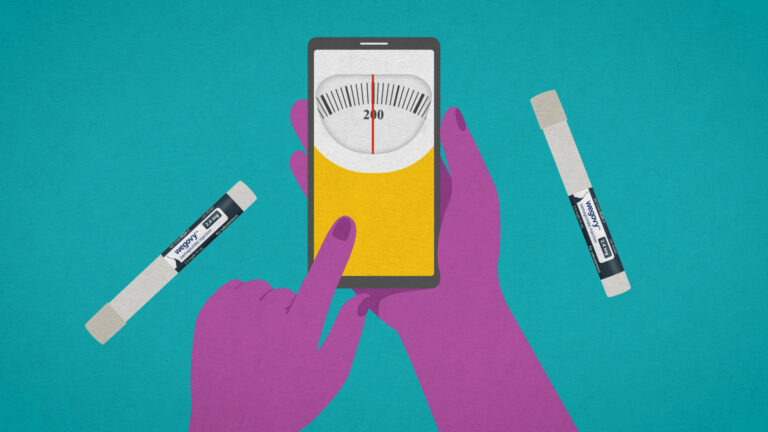
Future Prospects: Novo Nordisk is set to launch Wegovy (Semaglutide), an injectable treatment, in India to meet the growing demand for effective obesity treatments.
The India Anti-Obesity Drug Market is witnessing dynamic growth, driven by market leaders like Novo Nordisk and emerging players such as Eli Lilly, with innovative treatments offering promising prospects for the future as the demand for effective weight-loss solutions continues to rise.
Challenges Hindering the Growth of the India Anti-Obesity Drug Market
Despite the growing optimism surrounding the India Anti-Obesity Drug Market, several significant barriers continue to impede its rapid growth:
Regulatory and Accessibility Barriers
-
Approval Delays: The approval process for new anti-obesity drugs can be slow in India. While drugs like Mounjaro have launched, others such as Wegovy still face approval delays, limiting their availability to patients.
-
High Treatment Costs: Treatments like Eli Lilly's Mounjaro, priced at approximately ₹14,000 per month, are financially out of reach for many, especially in middle- and lower-income segments.
-
Gray Market Risks: The unregulated sale of counterfeit anti-obesity drugs poses significant safety risks, further complicating access to genuine treatments.
Cultural and Systemic Barriers
-
Cultural Stigma: Obesity is often perceived as a personal failing rather than a medical condition, discouraging individuals from seeking professional treatment.
-
Limited Awareness: Awareness about pharmaceutical treatments for obesity remains low, especially in rural areas, where only a small percentage of the population understands the available medical options.
Healthcare Infrastructure Gaps: There is a shortage of trained specialists in obesity management, limiting the effectiveness of treatment efforts.
Economic Pressures
-
Increased Healthcare Spending: With India projected to see rising healthcare costs related to obesity and non-communicable diseases (NCDs), the public health system is under growing strain. The OECD estimates that India currently spends USD PPP 209 per capita annually on obesity-related healthcare, a figure expected to rise significantly.
Mapping the Competitive Terrain of the India Anti-Obesity Drug Market
India’s Leading Pharmaceutical Players
-
Sun Pharma continues to lead among India Anti Obesity Drug Domestic Players, leveraging its strong market presence and strategic focus on metabolic therapies. Its commitment to GLP-1 development, including plans to launch Utreglutide by 2028, reinforces its intent to shape the affordable obesity drug landscape.
-
Cipla Ltd is entering the weight-loss segment with its own oral semaglutide formulation, aligning its pipeline with India’s escalating obesity burden and positioning itself as a key player in the country’s pharmaceutical response.
-
Dr. Reddy’s Laboratories is advancing an ambitious portfolio of 15 GLP-1 receptor agonists, including generics for semaglutide, aiming to serve both diabetes and obesity treatment markets across India and globally.
-
Biocon is progressing its development of semaglutide generics, with India in focus by 2026. The company is also exploring emerging markets such as Brazil, Mexico, and Saudi Arabia, with anticipated benefits from government incentives to localize GLP-1 production post-2026.
Global Players Reshaping India’s Anti-Obesity Drug Market
-
Novo Nordisk holds a dominant 69% share in the India Anti Obesity Drug Market, led by its blockbuster drug Rybelsus. The company is preparing for the imminent India launch of its injectable treatment Wegovy (semaglutide), targeting growing demand for clinically proven obesity therapies.
-
Eli Lilly & Co. has made a significant breakthrough with the India launch of Mounjaro (tirzepatide), a dual-action therapy for diabetes and obesity. Its competitive pricing strategy has made the treatment far more accessible compared to global markets.
-
Structure Therapeutics is developing its oral GLP-1 candidate GSBR-1290, showing promising early-stage results. While not yet active in India, its innovation signals potential future entry into the expanding Anti Obesity Drug Market in India.
India’s Anti-Obesity Drug Market: Where Public Health Meets Investment Potential
Why This Market Demands Attention
The India Anti Obesity Drug Market is no longer a niche—it stands at the crossroads of a national healthcare imperative and a promising investment frontier. As urbanization accelerates and lifestyle-related conditions like diabetes and obesity surge, India faces an urgent need for scalable, affordable weight-management solutions. With over 30 million adults expected to be obese by 2030, the market’s projected double-digit CAGR reflects not just expansion, but a significant shift in the nation’s approach to health and wellness.
What sets the Anti Obesity Drug Market in India apart is its relevance on both global and domestic fronts. Internationally, India is well-positioned to emerge as a cost-effective manufacturing base for GLP-1 drugs, especially with the impending expiry of Novo Nordisk’s semaglutide patent in 2026. Government support through PLI schemes is further accelerating domestic production capabilities.
On the home front, rising disposable incomes and increasing health awareness are fueling demand across socioeconomic tiers, well beyond the urban elite. This convergence of demand and capability makes India a strategic destination for both Anti Obesity Drug Market major players and domestic innovators. Upcoming drug launches such as Eli Lilly’s Tirzepatide (2025) and Wegovy (2026) are expected to broaden therapeutic options and intensify Anti Obesity Drug Market competition.
Opportunities and Challenges for Market Stakeholders
-
First-Mover Advantage: Companies that enter early can shape consumer trust, pricing benchmarks, and long-term brand equity in this rapidly evolving space.
-
Innovation in Affordability: Success depends on delivering effective therapies at scale and at a price point that resonates with the broader Indian population, a domain where India Anti Obesity Drug domestic players hold a proven track record.
-
Collaborative Growth: Tackling systemic challenges from regulatory complexities to public education will require robust collaboration between government, industry, and healthcare providers.
Nonetheless, the path to leadership is not without hurdles. Increasing generic competition and the entry of strong India Anti Obesity Drug global players will compress margins. Regulatory and infrastructure constraints may also delay access. Yet, India’s youthful, health-conscious population and favorable macroeconomic trends continue to drive consistent demand.
For investors, healthcare stakeholders, and pharmaceutical leaders, success in the India Anti Obesity Drug Market will demand more than financial capital; it calls for a vision that integrates innovation, accessibility, and long-term impact.
To explore detailed market segmentation, growth forecasts, and key competitive dynamics, access Makreo Research’s comprehensive study. Get access to the sample report on India Anti-Obesity Drug Market Size and Forecast to 2030.
Market Segmentation:
-
By Drug Type
-
By Administration Route
-
By Drug Classification
-
By Distribution Channels
-
By Regions
Companies Covered:
-
Aristo Pharmaceuticals Pvt. Ltd.
-
Mankind Pharmaceuticals
-
Torrent Pharmaceuticals Limited
-
Biocon Pharmaceuticals
-
Sun Pharmaceuticals Industries Ltd.
-
Dr. Reddy's Laboratories Ltd.
-
Cipla Limited
-
Divi's Laboratories
-
Novo Nordisk
-
Eli Lilly and Company
-
Eris Lifesciences
-
Leeford Healthcare
-
Lupin Limited
Contact Us:
Reach out via email, or contact us
India anti-obesity drug market, Obesity treatment in India, Weight loss drugs India, Anti-obesity pharmaceutical market, Obesity epidemic in India, Semaglutide India, India weight loss market, Obesity drugs growth India, Lifestyle diseases India, Weight management solutions India, Anti-obesity drug market forecast to 2030, Obesity and diabetes India, Rising obesity rates India, India health crisis obesity, Mounjaro India launch, Anti-obesity market projections India, Obesity-related diseases India, India obesity drug market growth, Weight loss solutions India, Pharmaceutical innovations India obesity